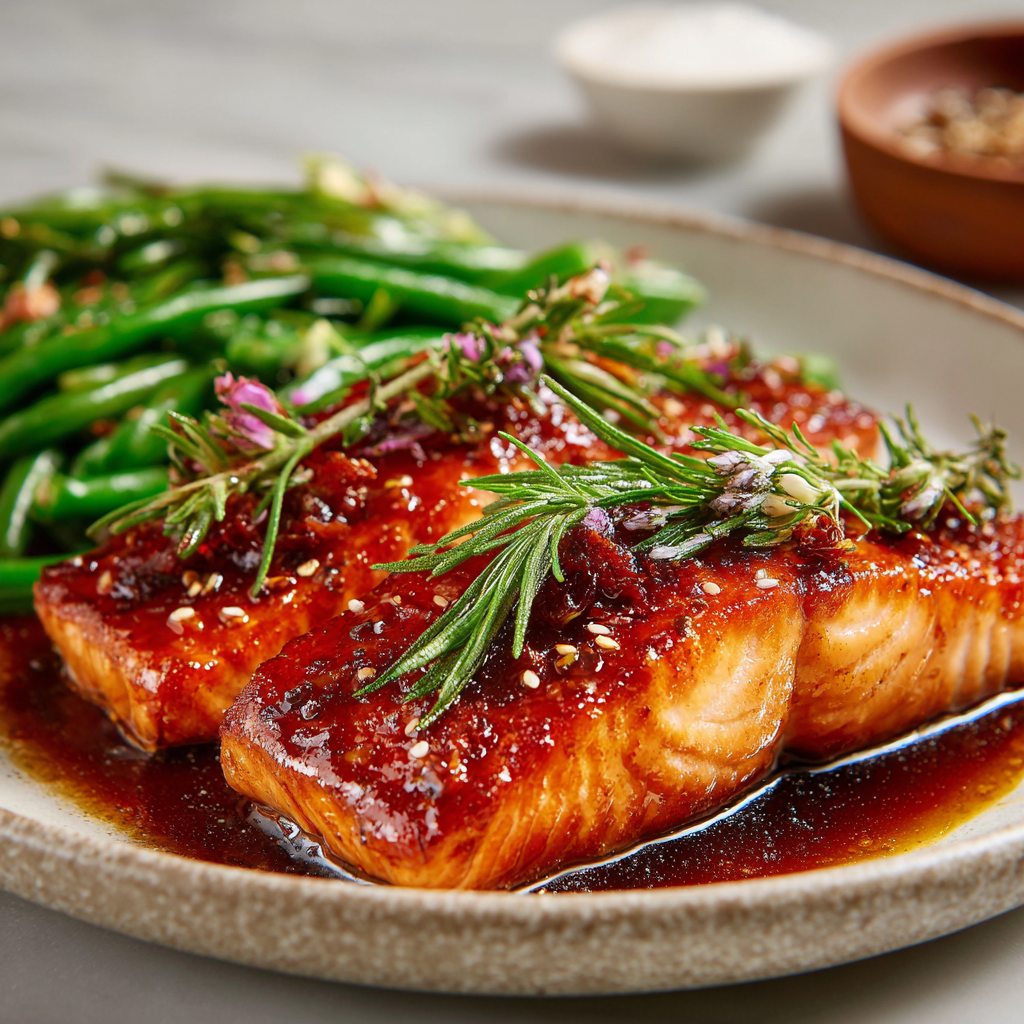
This Teriyaki Salmon Recipe is Your New Weeknight Hero
Hey there, friend! Beau here from Feastical. Ever have one of those days where you’re staring into the fridge, dreaming of something delicious that doesn’t require a culinary degree or a three-hour time commitment? You crave that perfect, glossy, restaurant-style teriyaki salmon—sweet, savory, and falling-apart tender—but the thought of ordering takeout feels like a compromise on both flavor and your wallet. I get it. I’ve been there more times than I can count.
Well, pull up a stool at my kitchen counter, because I’m about to let you in on a little secret: the best teriyaki salmon you’ll ever eat doesn’t come in a cardboard box. It comes from your own stove, in about 25 minutes flat. This recipe is my ultimate back-pocket, never-fail, “wow, you made this?!” dish. It’s the one I make when I want to feel like a kitchen rockstar with minimal effort, and the one I share with friends who swear they can’t cook. The magic is in a simple, homemade glaze that caramelizes into a sticky, finger-licking-good sauce, hugging every flaky bite of salmon.
We’re talking about a dish that’s elegant enough for a date night but simple enough for a chaotic Tuesday. Whether you pan-sear it for a gorgeous crispy edge or bake it for hands-off ease, this teriyaki salmon is about to become your go-to. So, let’s ditch the mediocre delivery and create some real, feel-good flavor together. Grab your favorite skillet, and let’s get cooking!
The Seattle Rain & My First Taste of Teriyaki Magic
This recipe always takes me back to a drizzly afternoon in Seattle. I was about 19, wandering through the iconic Pike Place Market, absolutely soaked to the bone. The smell of rain on concrete mixed with something incredible—something sweet, salty, and utterly beguiling. I followed my nose to a tiny, steamy window where a vendor was grilling salmon filets, brushing them with a dark, shimmering sauce that sizzled and smoked on the hot grill.
I bought a piece, wrapped in parchment, and found a semi-dry spot under an awning. That first bite was a revelation. The salmon was impossibly moist, the glaze was a perfect punch of umami with a gentle sweet finish, and the slight char from the grill added a whisper of bitterness that tied it all together. It was warm, comforting, and complex, yet so fundamentally simple. In that moment, cold and damp, I felt completely content. I knew right then I had to learn how to make that feeling happen in my own kitchen. This recipe is my homage to that Seattle stall—a way to capture that cozy, rain-or-shine satisfaction anytime the craving strikes.
Gathering Your Flavor Allies: The Ingredient Lineup
Here’s everything you need to create this teriyaki masterpiece. Don’t stress about perfection—cooking is about playing, not policing. I’ve included my favorite tips and swaps so you can make this recipe work with what you’ve got.
- 4 salmon fillets (about 6 oz each): I prefer skin-on for pan-searing—it gets irresistibly crispy and protects the delicate flesh. But skin-off works beautifully for baking! Look for bright, firm fillets with a pleasant sea-breeze smell. Chef’s Insight: If you’re using frozen, thaw it slowly in the fridge overnight. Never use a microwave; it turns the texture mealy.
- Salt and pepper to taste: The foundation builders. We season the salmon simply to let the glaze be the star.
- 1 tablespoon neutral oil: Avocado, grape seed, or a light olive oil are my go-tos. They have a high smoke point, which is key for getting that perfect sear without burning.
- For the Legendary Teriyaki Glaze:
- 1/4 cup soy sauce: This is our salty, umami base. For a gluten-free version, easily swap in tamari or coconut aminos. I use reduced-sodium so I can control the salt level.
- 2 tablespoons honey: Nature’s perfect sweetener that adds a lovely floral depth. Easy Swap: Pure maple syrup or packed brown sugar works in a pinch!
- 1 tablespoon rice vinegar: The secret weapon! It adds a bright, subtle tang that cuts through the richness and balances the sweetness. No rice vinegar? A squeeze of fresh lime juice will do the trick.
- 1 tablespoon toasted sesame oil: Don’t skip this! That nutty, aromatic flavor is what makes teriyaki taste like teriyaki. It’s a finish oil, so we add it off-heat to preserve its magic.
- 2 garlic cloves, minced: Fresh is best here. That pungent punch mellows into sweet, savory goodness as it cooks.
- 1 teaspoon fresh ginger, grated: The zippy cousin to garlic. I keep a knob of ginger in my freezer and grate it, skin and all, whenever I need it—no peeling required!
- 1 tablespoon cornstarch + 2 tablespoons water: Our thickening dream team. This slurry transforms the sauce from a watery mixture to a luxurious, clingy glaze that sticks to every nook and cranny of the salmon.
Let’s Make Some Magic: Your Foolproof Steps
Ready? Put on some tunes, tie on your apron (or don’t—I usually forget mine), and let’s dance through this. I’ll walk you through every step with the little hacks I’ve learned over countless batches.
Step 1: Prep Like a Pro. First, take your salmon fillets out of the fridge and pat them bone-dry with paper towels. This is the single most important step for getting a gorgeous sear, not a sad steam. Season both sides lightly with salt and pepper. Let them sit on the counter while you make the sauce—taking the chill off helps them cook more evenly.
Step 2: Whisk Up the Glaze. In a small saucepan, combine the soy sauce, honey, rice vinegar, minced garlic, and grated ginger. Give it a good whisk. Now, here’s a major chef hack: in a separate little bowl or mug, mix your cornstarch and cold water into a smooth, milky slurry before adding it to the pot. This prevents dreaded cornstarch lumps! Bring the sauce to a gentle simmer over medium heat, then whisk in the slurry. Keep whisking for 2-3 minutes as it bubbles gently. You’ll see it go from cloudy to clear and thicken beautifully. Remove it from the heat and stir in the tablespoon of toasted sesame oil. That incredible smell? That’s the sound of success. Set aside.
Step 3: Choose Your Adventure: Pan-Sear or Bake!
For the Crispy-Skin Lovers (Pan-Sear): Heat your oil in a large non-stick or well-seasoned skillet over medium-high heat. Once the oil is shimmering (a drop of water should sizzle), place the salmon fillets skin-side down. Hear that sizzle? That’s the good stuff. Don’t touch them! Let them cook undisturbed for 4-5 minutes. This renders the fat and crisps the skin. Use a thin spatula to gently flip. Brush the tops generously with your teriyaki glaze and cook for another 3-4 minutes, or until the salmon flakes easily with a fork.
For the Hands-Off Crew (Bake): Preheat your oven to 400°F (200°C). Line a baking sheet with parchment or foil (hello, easy cleanup!). Place the salmon fillets on the sheet and brush them liberally with the glaze. Bake for 12-14 minutes. The glaze will bake into a gorgeous, sticky coating. So simple!
Step 4: The Final Flourish. No matter your cooking method, right before serving, give the salmon another brush or drizzle with the remaining warm glaze. This final layer adds maximum shine and flavor.
Plating Up: How to Serve Your Teriyaki Salmon
Now for the fun part—making it look as good as it tastes! I like to serve each glistening fillet on a bed of fluffy, steamed jasmine or white rice. The rice is the perfect canvas to catch any extra sauce. Then, I add a heap of something green and vibrant. Quick-steamed broccoli, snap peas, or a simple cucumber salad are my weeknight favorites.
For the garnish, a sprinkle of white and black sesame seeds adds a lovely crunch and visual pop. Thinly sliced green onions (both the white and green parts) bring a fresh, oniony bite. Sometimes, if I’m feeling fancy, I’ll add a few very thin slices of fresh jalapeño for a hint of heat. Serve it family-style on a big platter or plate it individually for a restaurant-worthy presentation. Don’t forget a wedge of lime on the side—a tiny squeeze right before eating brightens everything up perfectly. Pour a crisp Pinot Gris or a cold, dry cider, and dinner is served!
Make It Your Own: Delicious Twists & Swaps
This recipe is a fantastic blueprint. Once you’ve mastered the basic, play around! Here are a few of my favorite variations.
- The Spicy Kick: Add 1-2 teaspoons of Sriracha or a big pinch of red pepper flakes to the sauce while simmering. Finish with a drizzle of chili crisp on the plated fish.
- Citrus Burst: Add the zest of one orange or lime to the sauce ingredients. The citrus oils add an incredible fragrance.
- Protein Swap: Not a salmon fan? This glaze is incredible on chicken thighs (bake at 400°F for 25-30 mins), firm tofu (press it well first!), or even roasted cauliflower steaks.
- Pineapple Teriyaki: Stir 1/2 cup of crushed pineapple (with its juice) into the sauce. The natural sugars caramelize beautifully, and the fruitiness is a classic combo.
- Extra “Umami Bomb”: Add a teaspoon of fish sauce or a tablespoon of mirin (sweet rice wine) to the sauce mixture for an even deeper, more complex savory flavor.
Beau’s Kitchen Notes & Stories
This recipe has been with me for years, and it’s evolved from a strict formula to a feel-it-out kind of friend. The biggest lesson I’ve learned? Trust your nose and your eyes, not just the timer. Salmon cooks quickly, and its perfect doneness (where it’s just opaque and flaky) can vary by thickness. The cornstarch slurry was a game-changer—I used to try to reduce the sauce for ages to thicken it, only to end up with something too salty. The slurry gives you control and a perfect consistency every time.
Funny story: I once, in a sleepy morning haze, accidentally used balsamic vinegar instead of rice vinegar. My wife took one bite and said, “This is… interesting. Kinda fancy?” We now call that version “Gourmet Accident Teriyaki.” So remember, even the “mistakes” can lead to something tasty. Cooking is an adventure!
Your Questions, Answered
Q: My salmon skin always sticks to the pan! Help!
A: I feel your pain. The keys are: 1) A dry, dry fillet. 2) A hot pan with hot oil before the fish goes in. 3) The patience to not move it until it’s ready to release on its own. If it’s still sticking, your pan might need to be re-seasoned (for cast iron) or it’s time to invest in a good quality non-stick skillet just for fish.
Q: Can I make the sauce ahead of time?
A> Absolutely! Whip up a double or triple batch of the sauce (through the thickening step) and store it in a jar in the fridge for up to two weeks. It’s amazing on grilled veggies, as a stir-fry sauce, or as a dip for spring rolls. Just give it a good shake or reheat gently before using.
Q: My sauce didn’t thicken. What went wrong?
A> The cornstarch slurry needs to come to a full simmer to activate its thickening power. If your heat was too low, it might not have gotten there. Solution: mix another small slurry (1 tsp cornstarch + 2 tsp water) and whisk it into the simmering sauce. It should tighten up in a minute.
Q: How do I know when the salmon is done?
A> The best test is the flake test. Gently press the tines of a fork into the thickest part of the fillet and twist slightly. The salmon should flake apart easily and be opaque all the way through. If you use a thermometer, you’re aiming for 125-130°F at the thickest part for medium-rare to medium, which is my preferred juicy, tender doneness.
Teriyaki Salmon Recipe : Sweet, Savory, and Perfectly Glazed
Description
Looking for a fast, flavorful dinner that feels a little special but takes very little effort? This teriyaki salmon is the answer. It’s sweet, savory, glossy, and tender, with a simple homemade glaze that comes together in minutes. Perfect for busy weeknights and impressive enough for guests.
Ingredients
For the salmon
-
4 salmon fillets (about 6 oz / 170 g each)
-
Salt and black pepper, to taste
-
1 tablespoon neutral oil (avocado, vegetable, or light olive oil)
For the teriyaki glaze
-
1/4 cup soy sauce (preferably reduced sodium)
-
2 tablespoons honey or maple syrup
-
1 tablespoon rice vinegar (or lime juice)
-
1 tablespoon toasted sesame oil
-
2 garlic cloves, minced
-
1 teaspoon fresh grated ginger
-
1 tablespoon cornstarch
-
2 tablespoons cold water
Optional garnish: sesame seeds, sliced green onions
Instructions
-
Prep the Salmon
Pat salmon dry with paper towels. Season lightly with salt and pepper on both sides. -
Make the Glaze
In a small saucepan, whisk soy sauce, honey, rice vinegar, garlic, and ginger.
Bring to a gentle simmer over medium heat.
Mix cornstarch with cold water, then whisk into the sauce. Simmer 2–3 minutes until thick and glossy. Remove from heat and stir in sesame oil. -
Cook the Salmon (Choose One Method)
Pan-Sear Method (crisp edges):
-
Heat oil in a skillet over medium-high heat.
-
Cook salmon skin-side down first for 4–5 minutes.
-
Flip, brush with glaze, and cook 3–4 more minutes until flaky.
Oven Method (easy & hands-off):
-
Heat oven to 400°F (200°C).
-
Place salmon on lined baking sheet.
-
Brush with glaze.
-
Bake 12–14 minutes until cooked through.
-
-
Finish & Serve
Brush with extra glaze and add sesame seeds or green onions if desired. Serve hot.
Notes
-
Dry fish = better texture. Patting salmon dry helps it cook better and brown nicely.
-
Don’t overcook. Salmon is ready when it flakes easily with a fork.
-
Make extra sauce. It keeps in the fridge up to 2 weeks and works great on chicken or vegetables.
-
Want it spicy? Add a little chili flakes or a small squeeze of chili sauce to the glaze.
-
Lower sodium option: Use low-sodium soy sauce or coconut aminos
Nutritional Info (A General Guide)
Here’s a general breakdown per serving (one 6oz fillet with glaze), to help you plan your meal. Remember, values can vary based on specific ingredients used (like the type of soy sauce or sweetener).
Approximate Nutritional Information Per Serving: Calories: 390 | Protein: 34g | Fat: 20g | Saturated Fat: 3g | Carbohydrates: 14g | Sugar: 11g | Sodium: ~900mg (using reduced-sodium soy sauce)
Salmon is a fantastic source of high-quality protein and heart-healthy omega-3 fatty acids. To make this a balanced plate, I always pair it with a complex carb (like brown rice or quinoa) and a generous portion of vegetables. The sauce does contain sugar and sodium, so if you’re monitoring those, you can reduce the honey slightly and use a low-sodium soy sauce alternative.
Final Thoughts: This Teriyaki Salmon Recipe is Your New Weeknight Hero
And there you have it, friend. From a drizzly Seattle sidewalk to your very own kitchen, this teriyaki salmon has traveled far to land on your plate. But more than a recipe, I hope I’ve handed you something I wish that 19-year-old, rain-soaked Beau had known: you don’t need a fancy takeout window or a culinary degree to create food that feels like a warm hug. You just need a few good ingredients, a little patience, and the willingness to trust yourself.
This salmon has saved me on nights when the fridge felt empty and my energy felt emptier. It’s been the “I can’t believe you made this” dish at dinner parties, the quiet Tuesday night companion when the world felt loud, and the recipe I’ve texted to more friends than I can count. It’s forgiving when you need it to be—swap the honey for maple syrup, use lime instead of rice vinegar, bake it when you’re too tired to stand over a skillet—and spectacular when you follow it to the letter.
What I love most about this dish is what it taught me that day in Seattle: extraordinary flavor doesn’t have to be complicated. Sometimes it’s just salmon, soy sauce, honey, and a little patience. Sometimes it’s a stranger grilling fish in the rain, sharing something beautiful without saying a word. And sometimes it’s you, standing in your own kitchen, creating that same feeling of warmth and contentment for yourself and the people you love.
So the next time you’re staring into the fridge, craving something that tastes like more than just dinner, I hope you remember this recipe. I hope you pull out that salmon, whisk up that glossy glaze, and let the sizzle remind you that you’re capable of creating something genuinely delicious. No cardboard boxes required.
Now go make some magic. And save me a piece.
Happy cooking,
Beau
Feastical