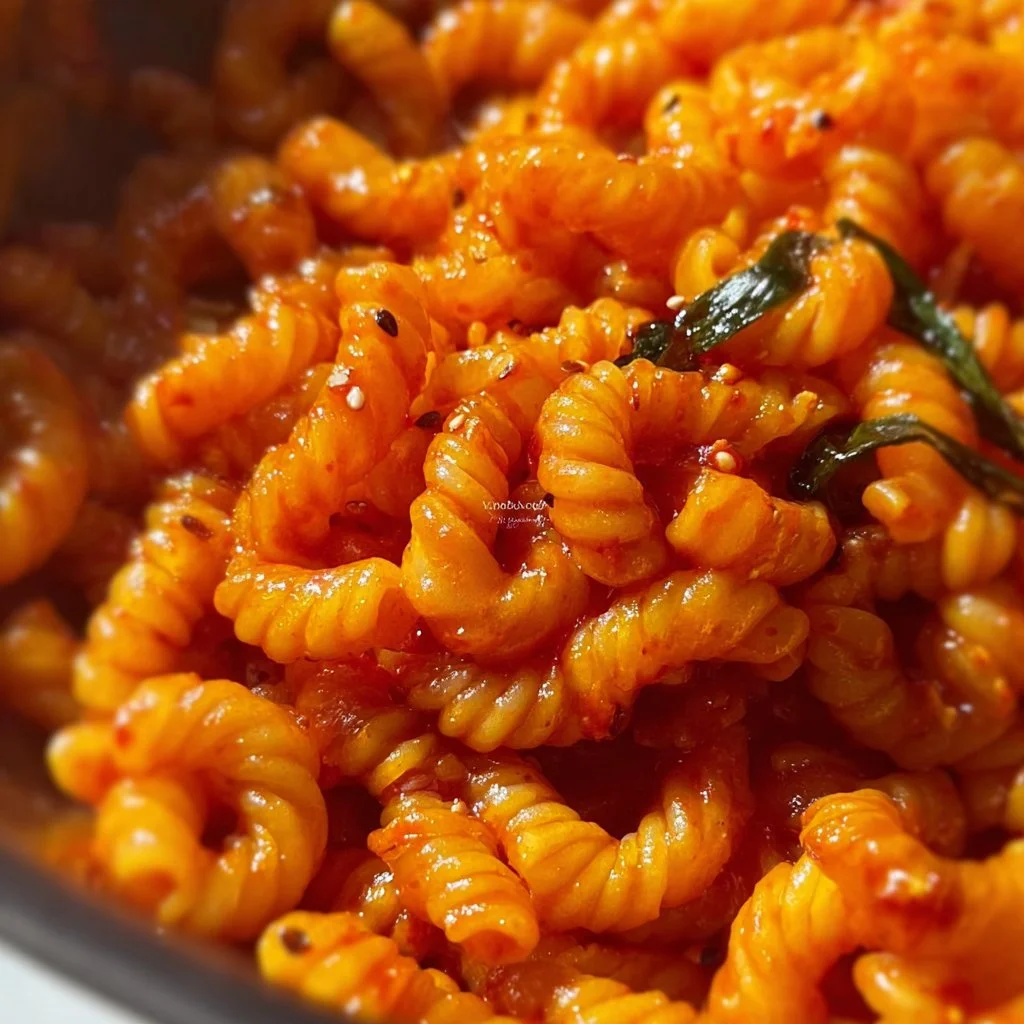
Gochujang Pasta
Gochujang Pasta: A Spicy Twist on Comfort Food
Hey there, fellow food lovers! Welcome back to Feastical! Today, we’re turning up the heat (both literally and figuratively) with a dish that’s bursting with flavor and comfort. I’m talking about Gochujang Pasta—a delightful fusion of creamy goodness and spicy kick that’s sure to become a new favorite in your kitchen.
You might be wondering, what exactly is gochujang? This magical Korean condiment is a fermented chili paste made from red chili powder, glutinous rice, fermented soybeans, and salt. It’s spicy, slightly sweet, and oh-so-satisfying. Paired with pasta, it creates a unique blend of culinary cultures that will transport your taste buds straight to flavor town.
Imagine this: it’s a cozy evening, you’re curl up with a good movie, and the aroma of something delicious is wafting through your home. With just a handful of ingredients and a bit of time, you can whip up this creamy, spicy pasta dish and bring that warmth right to your dinner table. Plus, I promise you, even the pickiest eaters will be asking for seconds!
Whether you’re entertaining friends or simply want to indulge in a satisfying meal for one, this Gochujang Pasta is the perfect choice. Not only is it delicious, but it’s also incredibly easy to make. So grab your apron, put on those comfy socks, and let’s dive into this culinary adventure together—because food should always be fun, and a little spicy!
Personal Story
Ah, memories in the kitchen! I remember the first time I fell in love with gochujang. It was at a small, bustling Korean BBQ joint in my neighborhood, filled with laughter, sizzling meat, and the enticing aroma of kimchi and spicy sauces. My best friend and I decided on a whim to try something adventurous, and we ordered a few dishes we had never tasted before.
They brought out a plate of spicy pasta that was drenched in a luscious, red sauce. The moment I took my first bite, the explosion of flavor was incredible. It was a delightful marriage of spice, creaminess, and umami—and you guessed it, that key ingredient was gochujang! I had never thought to combine the heat of Korean flavors with conventional pasta, but it was a match made in heaven.
From then on, I was on a mission to recreate that dish at home. After a few experiments and adjustments to balance flavors, I finally found the perfect recipe that not only satisfied my cravings but also brought joy to family and friends alike. That first bite took me back to that vibrant restaurant, reminding me that food has a way of connecting us to cherished memories and new experiences. So let’s pay it forward, shall we? Gather your ingredients, and let’s make some gochujang magic happen!
Ingredients
Here’s what you’ll need for this fabulous Gochujang Pasta:
-
1 pound dried pasta
Any shape will do! I love using fettuccine for its ability to capture the creamy sauce, but spaghetti or penne works wonders too. Feel free to use gluten-free pasta if that’s your jam! -
1 tablespoon salted butter
This buttery goodness adds richness to the sauce. You can swap it out for olive oil for a dairy-free option if needed. -
1 tablespoon garlic, minced
Ah, garlic—the MVP of flavor! Use fresh garlic for the best taste, but you can also use garlic powder in a pinch (1 teaspoon should do). -
1½ tablespoon gochujang paste
The star of the show! This spicy paste brings a depth of flavor. If you’re sensitive to spice, start with less and adjust to your taste. -
1½ cups heavy cream
This helps create a luscious sauce. For a lighter version, opt for half-and-half or a dairy-free alternative, like coconut cream. -
½ cup grated parmesan
Parmesan adds that cheesy goodness we all crave. Nutritional yeast is a great vegan substitute if you want to keep it plant-based. -
Optional: Fresh or dried parsley
To sprinkle on top for a pop of color and freshness! Plus, it makes your dish look extra fancy.
Step-by-Step Instructions
Let’s get cooking, shall we? Follow these steps for a creamy and spicy Gochujang Pasta that will astonish your taste buds!
-
Boil the Pasta
Start by bringing a large pot of salted water to a boil. Add your dried pasta and cook according to package instructions until al dente. Taste a piece just before draining to ensure you’ve got the perfect bite!Chef’s Tip: Save about a cup of the pasta water before draining! It’s liquid gold that’ll help adjust the sauce consistency later.
-
Sauté the Garlic
In a large skillet, melt the salted butter over medium heat. Once it’s melted and bubbly, add the minced garlic. Sauté for about 1-2 minutes, until fragrant but not browned (burnt garlic can be bitter).Pro Tip: Use a wooden spoon to stir, which helps keep that lovely garlic from sticking while infusing the butter with flavor.
-
Add Gochujang
Stir in the gochujang paste, mixing it into the garlic butter until fully incorporated. Let the flavors meld for about a minute. You’ll see that beautiful red color shine through!Chef Insight: If you want to get creative, you can add a splash of soy sauce or sesame oil at this stage for extra umami flavor. Just remember to balance the salt accordingly!
-
Pour in the Cream
Slowly pour in the heavy cream, stirring continuously to combine everything beautifully. Bring the mixture to a gentle simmer, allowing it to thicken slightly for about 3-4 minutes.Tip for Success: If the sauce is too thick, add a bit of that reserved pasta water until you reach your desired consistency.
-
Add Parmesan
Stir in the grated parmesan cheese until it’s melted and creamy. This will elevate the sauce to a whole new level of indulgence!Pro Chef Hack: Keep reserving pasta water in case the sauce gets too thick. It’ll help you maintain that perfect texture!
-
Combine the Pasta and Sauce
Toss the drained pasta into the skillet with the creamy sauce. Stir well to coat the pasta evenly, allowing it to soak up all that delicious spicy flavor.Bonus Tip: If you like a little extra heat, you can sprinkle in some red pepper flakes when combining the pasta!
-
Serve and Enjoy
Once everything is combined, remove from heat. Dish out generous portions into your favorite bowls, garnishing with freshly chopped parsley if you’re feeling fancy.Presentation Hack: For a beautiful touch, you can add a sprinkle of grated parmesan on top and a drizzle of olive oil for that extra touch of pizzazz.
Serving Suggestions
When it comes to serving this Gochujang Pasta, think comfort food at its finest! Here are a few ideas to elevate your serving game:
-
Plating: Use wide, shallow bowls, and twirl the pasta using a fork for a restaurant-like presentation. Add a generous scoop of the creamy sauce on top and sprinkle with parsley and extra parmesan.
-
Sides: Pair this dish with a refreshing side salad tossed in a light vinaigrette to balance the richness of the pasta. You could also serve it alongside garlic bread for those carb lovers out there!
-
Wine Pairing: A chilled Riesling or a light-bodied Pinot Noir works beautifully with the spicy notes in the sauce, making for a perfect dinner pairing!
Recipe Variations
Now that you’ve got the basics down, why not play with this recipe? Here are some creative twists and alternatives to keep things fun:
-
Veggie Lovers: Amp up the health factor by adding sautéed spinach, mushrooms, or bell peppers. Simply toss them into the skillet right after the garlic, letting them cook down before adding the gochujang.
-
Protein Boost: For those who want some protein, add cooked shrimp, grilled chicken, or tofu. Just toss it in when mixing the pasta and sauce together.
-
Spicy Version: For a fire-breathing twist, mix in a dash of sriracha or chili flakes to the sauce. You can really amp up the heat!
-
Dairy-Free: Use coconut cream instead of heavy cream and skip the parmesan for a delicious vegan option. Just ensure to adjust gochujang to taste!
-
Nutty Flavor: Add a sprinkle of toasted sesame seeds on top before serving for a nutty crunch that enhances the overall flavor.
Chef’s Notes
As we cook and create, I always find that recipes evolve over time—like a living, breathing thing. This Gochujang Pasta is one such dish that has undergone a few transformations in my kitchen. Initially, I was a little timid with the gochujang, but over time, I learned to play up the balance of heat and creaminess.
One memorable disaster occurred when I thought more was better—let’s just say my friends weren’t nearly as adventurous as I thought when it came to spice! So, the moral of the story is don’t be afraid to experiment, but always taste as you go, and adjust accordingly.
Remember, the kitchen is your stage, and you’re the performer. Each dish tells a story, and the beauty of cooking is that you can write your own script.
FAQs and Troubleshooting
-
Why is my sauce too thick?
If your sauce appears thicker than you’d like, simply add a bit of the reserved pasta water gradually until you achieve the perfect creamy consistency. -
Can I make this dish in advance?
Absolutely! You can cook the pasta and sauce separately and combine them right before serving. Just reheat with a touch of cream to bring everything back to life! -
What if I don’t have gochujang?
If you don’t have gochujang, you can substitute with another chili paste or sauce, but remember, it won’t have the same unique flavor profile. A combination of sriracha and miso might get you close! -
Can I freeze leftovers?
While you can freeze the sauce, the texture might change slightly upon reheating. I recommend enjoying this dish fresh for the best creamy experience.
Nutritional Info
Enjoying a delicious meal doesn’t mean you have to forgo nutritional value! Here’s a quick breakdown:
- Calories: Approximately 650 (per serving)
- Protein: 15g
- Carbohydrates: 65g
- Fat: 35g
Keep in mind that nutritional information can vary based on specific ingredients and portion sizes. Feel free to modify ingredients for a healthier taste, as mentioned in the variations section.
Final Thoughts
And there you have it—your very own comforting bowl of Gochujang Pasta! I hope this recipe brings warmth to your table and transports you to a cozy culinary haven. Cooking is all about the love and joy you put into it, and I want you to feel empowered to make this dish your own.
So gather your friends and family, put on some good tunes, and let the aroma fill your home—because good food isn’t just about sustenance; it’s about bringing people together and making memories.
Don’t forget to share your own variations and experiences in the comments! Until next time, keep cooking, keep exploring, and keep the feast alive. Happy eating!
Love and good food, Beau Collier at Feastical!
Print
Gochujang Pasta
- Total Time: 30 minutes
- Yield: 4 servings 1x
- Diet: Vegetarian
Description
A delightful fusion of creamy goodness and spicy kick, Gochujang Pasta is a unique dish that combines Korean flavors with traditional pasta for a satisfying meal.
Ingredients
- 1 pound dried pasta (any shape, fettuccine recommended)
- 1 tablespoon salted butter
- 1 tablespoon garlic, minced
- 1½ tablespoon gochujang paste
- 1½ cups heavy cream
- ½ cup grated parmesan
- Optional: Fresh or dried parsley
Instructions
- Boil the pasta in a large pot of salted water according to package instructions until al dente. Save about a cup of the pasta water before draining.
- Sauté the garlic in melted butter over medium heat for 1-2 minutes until fragrant.
- Add the gochujang paste to the garlic butter, stirring until fully incorporated.
- Pour in the heavy cream and simmer for 3-4 minutes until slightly thickened.
- Add the grated parmesan, stirring until melted and creamy.
- Combine the drained pasta with the sauce, tossing to coat evenly.
- Serve with a garnish of parsley and additional parmesan, if desired.
Notes
For a lighter version, use half-and-half or coconut cream. Adjust gochujang to taste for spice preference.
- Prep Time: 10 minutes
- Cook Time: 20 minutes
- Category: Main Course
- Method: Stovetop
- Cuisine: Korean/Italian
Nutrition
- Serving Size: 1 serving
- Calories: 650
- Sugar: 5g
- Sodium: 800mg
- Fat: 35g
- Saturated Fat: 20g
- Unsaturated Fat: 10g
- Trans Fat: 0g
- Carbohydrates: 65g
- Fiber: 3g
- Protein: 15g
- Cholesterol: 80mg
Keywords: gochujang, pasta, spicy pasta, Korean cuisine, comfort food