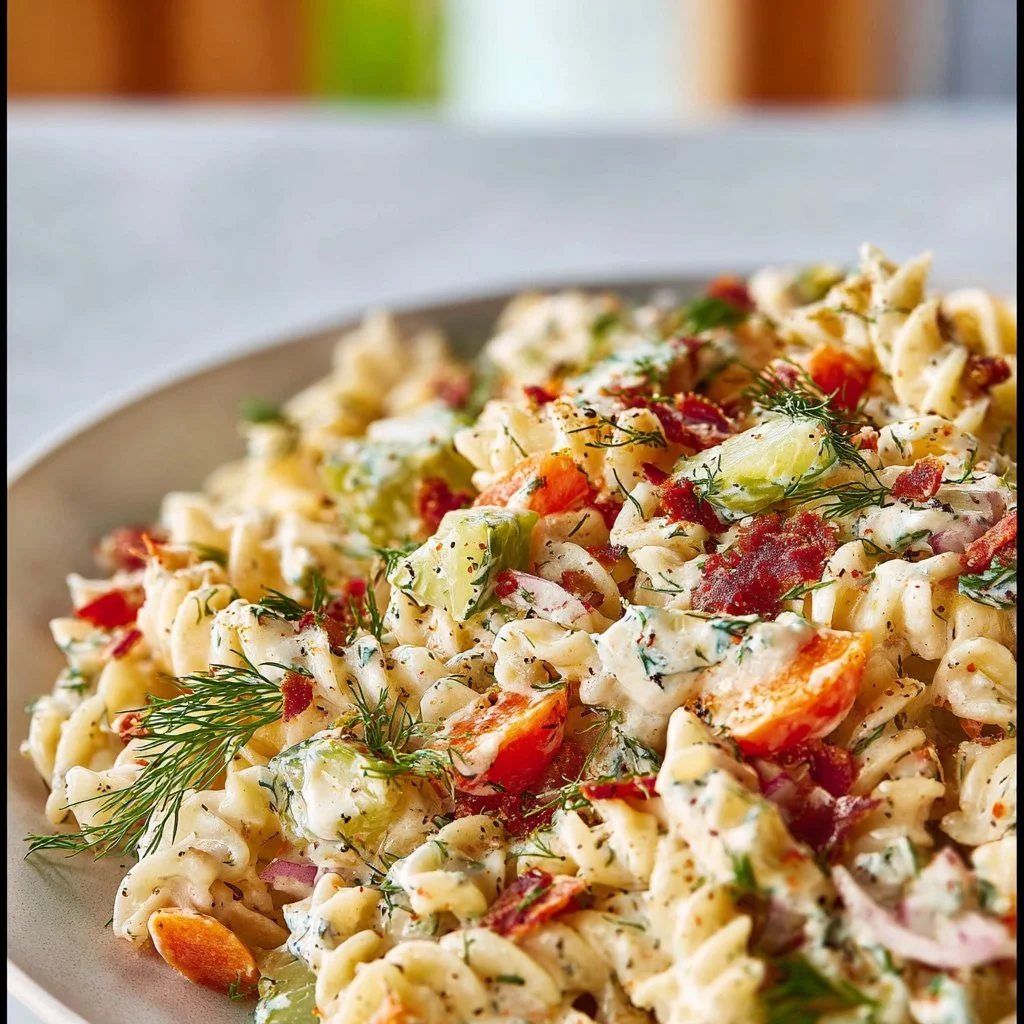
Dill Pickle Pasta Salad
Dill Pickle Pasta Salad: A Flavorful Twist on Comfort Food
Hey there, food lovers! I’m Beau Collier, your friendly kitchen guide here at Feastical, and today we’re whipping up a seriously delightful dish that’s perfect for summer picnics, potlucks, or just a sunny day at home. If you crave the tangy crunch of dill pickles merged with the hearty satisfaction of pasta, then this Dill Pickle Pasta Salad is about to become your new go-to recipe. It’s fresh, vibrant, and oh-so-satisfying!
Who doesn’t love a good pasta salad? They are the ultimate celebration of flavors, textures, and colors! For me, pasta salads are like canvases; you can paint them with whatever ingredients you have on hand. However, this Dill Pickle Pasta Salad stands out in a big way. The tangy pickles mixed with creamy mayonnaise create a dance of flavors that’s hard to resist.
Growing up, summer meant family barbecues, and at every gathering, Aunt Carol would bring her famous pasta salad—but with a twist. Instead of the usual veggies, she added her secret ingredient: dill pickles. They took an already delicious dish and turned it into something extraordinary. Every bite was a nostalgic journey back to those sunny afternoons filled with laughter and family. And let me tell you, I loved helping her in the kitchen, sneaking bites of pickles when she wasn’t looking!
So, let’s gather those ingredients and dive into making this delightful Dill Pickle Pasta Salad. It’s quick, simple, and definitely a crowd-pleaser!
Personal Story
I still remember that sunny Saturday when Aunt Carol first unveiled her Dill Pickle Pasta Salad at a family BBQ. It was one of those rare days when everything seemed perfect—the laughter, the kids running around, and the delicious aroma of grilling burgers wafting through the air. As guests dug into their plates, I noticed Aunt Carol’s pasta salad was disappearing faster than anything else on the table!
Curiosity got the better of me, and I took a generous scoop for myself. Armed with my fork, I took the first bite, and instantly, my taste buds woke up! The crunch from the pickles mixed with the creamy dressing was something I had never experienced before in a pasta salad. Flavors exploded, and I was hooked! That moment became a staple memory that I often revisit anytime I toss together a batch of this salad. Now, every time I make this dish, I feel a bit of Aunt Carol’s love in every scoop.
Ingredients
Let’s dive into the ingredients you’ll need! Here’s the list to create this zingy pasta salad:
-
8 oz pasta (e.g., rotini or penne)
Your choice of pasta will set the stage for our salad. Rotini holds onto the dressing beautifully, while penne offers a satisfying bite. Gluten-free pasta works just as well if you prefer that option! -
1 cup dill pickles, chopped
The star of the show! Pickles lend a bright tang that enlivens the whole dish. Feel free to use sweet pickles for a different flavor profile or even pickle slices if that’s all you have on hand. -
1/2 cup red onion, diced
Red onions add a lovely crunch and color. If you prefer a milder flavor, soak them in water for about 10 minutes before adding; this will tone down the bite! -
1/2 cup celery, chopped
Celery brings a refreshing crunch. You can swap it with cucumbers for a lighter texture or even bell peppers for a hint of sweetness. -
1 cup mayonnaise
Mayonnaise is the creamy binder that unites everything. You can use Greek yogurt for a healthier version. Adding a bit of sour cream will help achieve the same creamy goodness! -
1 tablespoon dill weed
Dill weed enhances that beloved pickle flavor. Fresh dill is even better if you can find it—you’ll want about 2 tablespoons of fresh! -
1 tablespoon apple cider vinegar
This tangy kicker brings everything together. You can substitute red wine vinegar or lemon juice if you prefer a different zest. -
Salt and pepper to taste
Always crucial to bring out the flavors! I recommend a generous pinch of both to start and adjust as you go.
Step-by-Step Instructions
Ready to make magic happen in the kitchen? Here’s how we put everything together!
Step 1: Cook the Pasta
First things first—let’s get that water boiling! Bring a large pot of salted water to a rolling boil. Add in your pasta of choice and cook according to package directions until al dente. This usually takes about 8-10 minutes. Keep an eye on it, so it doesn’t turn mushy! Trust me, a firm bite is key. Once done, drain the pasta and rinse it under cold water to cool it down and stop the cooking process.
Step 2: Chop the Ingredients
While the pasta cooks, it’s the perfect opportunity to prep our other ingredients. Chop the dill pickles, dice the red onion, and chop the celery. The crunchier, the better! A little tip: If you love pickles as much as I do, feel free to toss in a few extra—life’s too short to skimp on flavor!
Step 3: Mix the Dressing
In a large mixing bowl, add the mayonnaise, dill weed, and apple cider vinegar. Give it a good stir until combined. This creamy dressing is where all the magic happens and sets the mood for the entire salad. Taste it! Does it need a pinch more vinegar or some pepper? Adjust to your liking, because it’s your salad!
Step 4: Combine Everything
Now that our pasta is ready and everything is prepped, it’s time to mix! In the same large mixing bowl (let’s minimize cleanup, right?), add the cooled pasta, dill pickles, red onion, and celery. Gently fold everything together, ensuring every piece of pasta is coated in that creamy goodness.
Step 5: Chill and Serve
Once everything is well combined, cover your bowl with plastic wrap or a lid to seal in the flavors. Place it in the fridge for at least an hour. This step is crucial, allowing all those delicious flavors to meld together. If you can wait overnight, even better! When you’re ready to serve, sprinkle a touch more dill on top for that pop of color.
Serving Suggestions
When it comes to serving your Dill Pickle Pasta Salad, there are plenty of fun and creative options. Scoop generous portions into cute bowls or even lettuce leaves for a fresh twist! Pair it with grilled proteins like chicken or burgers for a complete meal. You could also set up a "salad bar" with extra toppings like crumbled bacon, shredded cheese, or even hot sauce—a little kick never hurt anyone!
For a whimsical touch, I love to serve it in mason jars for a picnic; they’re easy to transport and look ridiculously cute! Just remember to give it a gentle shake before digging in to ensure that creamy dressing is well-distributed.
Recipe Variations
Feeling adventurous? Here are some fun twists to switch things up:
- Spicy Dill Pickle Pasta Salad: Add in some diced jalapeños or a splash of hot sauce to add some heat!
- Bacon Lovers’ Delight: Crumble cooked bacon into the salad for a savory crunch. Because bacon, right?
- Herby Explosion: Incorporate fresh herbs such as parsley or chives for an extra layer of flavor.
- Creamy Avocado Deal: Mash in some ripe avocado for a creamy texture, perfect for those creamy avocado lovers out there.
- Mediterranean Fusion: Swap dill pickles for olives and add some feta cheese for a completely different flavor profile.
Chef’s Notes
A dish like this often evolves over time. My version of Dill Pickle Pasta Salad has shifted from Aunt Carol’s original recipe as I’ve experimented. I started adding different crunchy veggies and even inspired by flavors from various cuisines! It’s all about celebrating the flavors you love and bringing them together.
Remember, whenever you venture into the kitchen, it’s not just about following a recipe; it’s about having fun and being creative! And don’t be afraid to share your personal twists—I’d love to hear what you come up with!
FAQs and Troubleshooting
Q: Can I make this pasta salad ahead of time?
Absolutely! In fact, it only gets better as it sits. I recommend making it a day in advance for optimal flavor but make sure to store it in an airtight container in the fridge.
Q: What if the pasta feels sticky?
Pasta can become sticky if it’s overcooked or not rinsed properly. Next time, cook it al dente, and rinse it under cold water immediately after draining to stop the cooking process!
Q: How long does it last in the fridge?
Dill pickle pasta salad will last about 3-5 days in the fridge. Just be sure to keep it covered!
Q: Can I use different types of pickles?
Definitely! Feel free to experiment with sweet pickles, bread-and-butter pickles, or even pickled jalapeños for added zing!
Nutritional Info
While I love focusing on flavor and comfort, it’s always good to know what we’re putting into our bodies. A single serving (roughly 1 cup) of this Dill Pickle Pasta Salad has:
- Calories: Approximately 300-350
- Protein: 4g
- Fat: 25g
- Carbohydrates: 25g
- Fiber: 1g
- Sugar: 2g
This will vary based on your ingredient choice and serving size, so enjoy responsibly!
Final Thoughts
As we wrap up our cooking adventure together, I hope you’re as excited as I am to bring this Dill Pickle Pasta Salad to your table. It’s a reminder of those beautiful summer days with loved ones, laughter, and joy interwoven through every ingredient.
Remember, food is all about love, creativity, and shared experiences. Don’t be afraid to experiment, swap ingredients, and make this dish your own! So grab your fork (or your favorite mug), dig in, and bask in the warm hug of flavors pulled together in one bowl. Happy cooking, and until next time, keep the flavors flowing in the kitchen! 🍽️
Print
Dill Pickle Pasta Salad
- Total Time: 25 minutes
- Yield: 4 servings 1x
- Diet: Vegetarian
Description
A tangy and creamy pasta salad featuring dill pickles, perfect for summer picnics and potlucks.
Ingredients
- 8 oz pasta (e.g., rotini or penne)
- 1 cup dill pickles, chopped
- 1/2 cup red onion, diced
- 1/2 cup celery, chopped
- 1 cup mayonnaise
- 1 tablespoon dill weed
- 1 tablespoon apple cider vinegar
- Salt and pepper to taste
Instructions
- Cook the Pasta: Bring a large pot of salted water to a boil, add the pasta, and cook until al dente (8-10 minutes). Drain and rinse under cold water.
- Chop the Ingredients: While the pasta cooks, chop the dill pickles, dice the red onion, and chop the celery.
- Mix the Dressing: In a large bowl, combine the mayonnaise, dill weed, and apple cider vinegar. Stir until well combined.
- Combine Everything: Add the cooled pasta, dill pickles, red onion, and celery to the bowl. Gently fold to combine.
- Chill and Serve: Cover the bowl and refrigerate for at least an hour to meld flavors.
Notes
Add extra dill or other toppings like crumbled bacon or cheese for additional flavor.
- Prep Time: 15 minutes
- Cook Time: 10 minutes
- Category: Salad
- Method: Mixing
- Cuisine: American
Nutrition
- Serving Size: 1 serving
- Calories: 350
- Sugar: 4g
- Sodium: 450mg
- Fat: 27g
- Saturated Fat: 4g
- Unsaturated Fat: 16g
- Trans Fat: 0g
- Carbohydrates: 25g
- Fiber: 1g
- Protein: 5g
- Cholesterol: 30mg
Keywords: pasta salad, dill pickles, summer recipes, picnic food, creamy salad
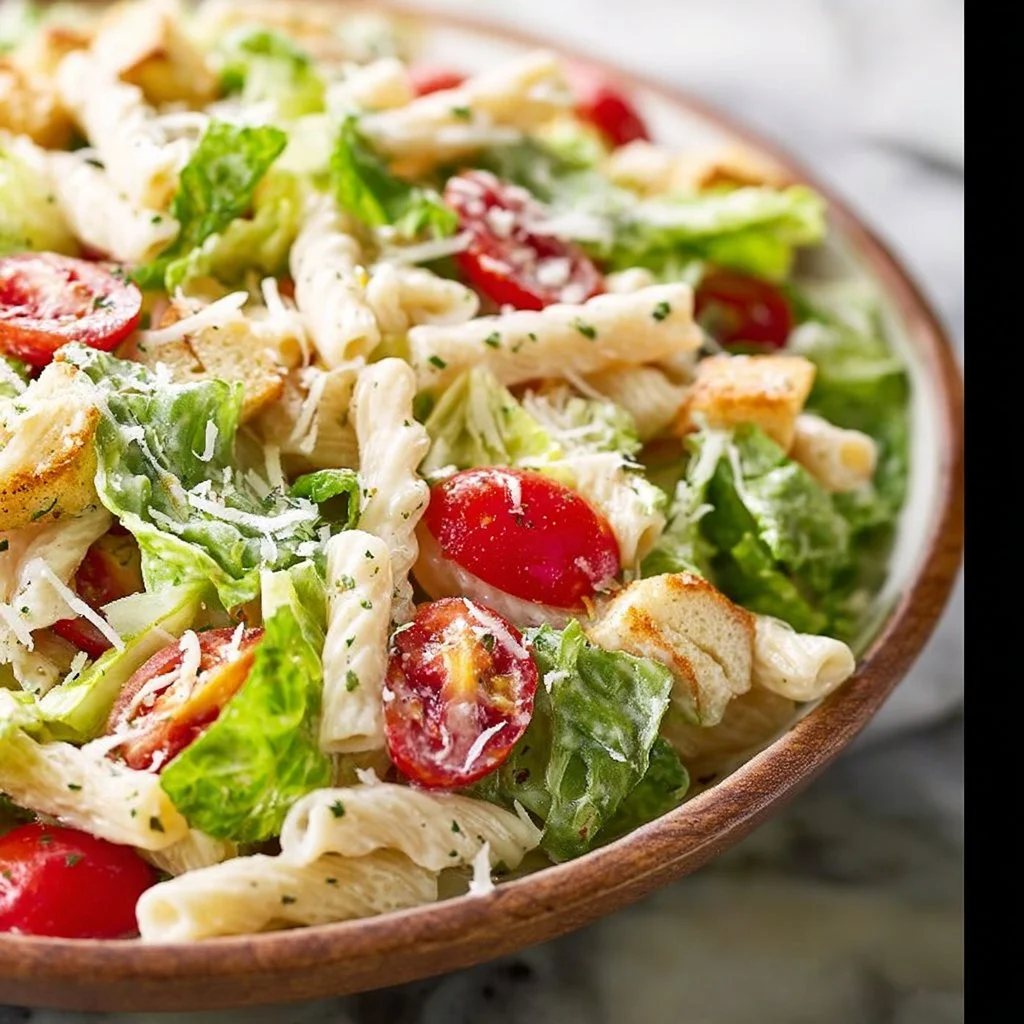
Caesar Pasta Salad
Caesar Pasta Salad: A Delicious Twist on a Classic Favorite
Hey there, food lovers! I’m Beau Collier, and today we’re going on a culinary adventure with a dish that combines the hearty comfort of pasta with the refreshingly crisp flavors of a Caesar salad. Say hello to Caesar Pasta Salad—a delightful blend that’s perfect for any occasion, whether you’re hosting a picnic, a casual BBQ, or simply craving something delicious for a cozy dinner at home.
If you’re anything like me, you’ve had your fair share of classic Caesar salads, but let me tell you, mixing those classic flavors with pasta elevates everything to a new level of yum! You’ve got the crunch of fresh romaine, the salty punch of Parmesan, and the garlicky goodness of Caesar dressing all mingling beautifully with al dente pasta. That’s a flavor explosion right there!
And guess what? This dish is incredibly versatile—you can whip it up in no time and customize it to your heart’s content. Just imagine bringing this vibrant dish to your next potluck or serving it as a light meal with friends. The best part? Cooking it is a breeze! I’ll guide you through each step, ensuring that even if you’re a kitchen novice, you’ll feel like a pro by the time you plate it up.
So, grab your spatula and let’s dive into the world of Caesar Pasta Salad. Let’s make some magic happen in the kitchen together!
Personal Story
I still vividly remember the first time I came across a Caesar pasta salad—it was at a summer family gathering a few years back. My cousin, who is a self-proclaimed food enthusiast (like yours truly), introduced it as her “latest obsession.” I remember the way she described it: a creamy, garlic-infused dressing dancing with the crunch of fresh lettuce and the chew of pasta—pure heaven on a plate!
At the time, it seemed revolutionary. Could it really have all the classic Caesar salad flavors I adored mixed into pasta? Well, I dove right in, and oh boy, was I sold! As I devoured my serving, the harmonious blend of flavors transported me back to simpler days: picnics by the lake, backyard BBQs, and warm, sunshiny afternoons filled with laughter and love.
That one bite ignited a spark in me! I rushed home to replicate her delicious creation, experimenting in my kitchen and making it my own. Since then, my love for Caesar Pasta Salad has only grown, and I can’t wait to share my favorite recipe with all of you. It’s more than just a dish; it’s a connection to good times, cherished memories, and the joy of sharing food with loved ones.
Ingredients
Let’s talk about the magic components of the Caesar Pasta Salad! Here’s what you’ll need:
-
8 ounces of pasta (any short variety)
- Chef Insight: I love using rotini or penne because their shapes hold onto the dressing beautifully. If you’re looking for alternatives, try whole wheat or gluten-free options—both work like a charm!
-
1/2 cup of homemade Caesar dressing
- Substitution Tips: While homemade is best (trust me!), you can also use store-bought if you’re short on time. Consider a vegan Caesar option if you’re catering to dietary restrictions.
-
1/2 cup of grated Parmesan cheese
- Quick Insight: Freshly grated is a game changer! It melts a bit into the warm pasta. If you’re dairy-free, try nutritional yeast for a cheesy-ish experience!
-
1 cup of croutons
- Chef Hack: You can either buy them or make your own from leftover bread—toss cubes with olive oil, garlic powder, and your favorite herbs, then bake until golden!
-
2 cups of romaine lettuce, chopped
- Substitution Tip: Don’t have romaine on hand? Any crunchy green—like iceberg or arugula—could work well, too!
-
Salt and pepper to taste
- Quick Note: Always season to your liking! I often use kosher salt for its texture, and freshly cracked pepper adds a nice zing.
-
Optional: cherry tomatoes, halved
- Flavor Boost: These add a burst of sweetness and color! If you’re feeling adventurous, consider adding other veggies like cucumbers or bell peppers.
Step-by-Step Instructions
Ready to bring this Caesar Pasta Salad to life? Let’s do it step by step!
-
Cook the Pasta
- Start by boiling a pot of salted water. Once it’s bubbling, toss in your chosen short pasta. Cook according to the package instructions until al dente (usually about 8-10 minutes). Al dente is key here—it means “to the tooth” in Italian, embracing that perfect bite.
- Chef Tip: Save a cup of pasta water before draining; it’s liquid gold for adjusting the dressing!
-
Prepare the Dressing (if making homemade)
- If you’re going the homemade route, combine 1/2 cup of mayonnaise, the juice of one lemon, minced garlic (about 2 cloves), a teaspoon of Dijon mustard, and a dash of Worcestershire sauce in a bowl. Whisk everything together and slowly incorporate 1/4 cup of grated Parmesan. Season with salt and pepper to taste.
- Chef Hack: For added richness, you can fold in a bit of Greek yogurt!
-
Chop the Romaine
- While your pasta is cooking, chop the romaine lettuce into bite-sized pieces. You want it crunchy and fresh to balance the creaminess of the dressing!
- Quick Note: Rinsing the lettuce under cold water and patting it dry keeps it crisp!
-
Combine Ingredients
- Once your pasta is cooked and drained, return it to the pot or a large bowl. While it’s warm, toss in the homemade Caesar dressing. The heat from the pasta helps absorb all those delicious flavors!
- Chef Insight: If using the reserved pasta water, add a little to loosen the dressing as needed.
-
Add the Cheese and Croutons
- Fold in the grated Parmesan cheese and croutons gently. This step adds texture and flavor—trust me, you want every bite to be bursting with Caesar goodness!
- Quick Tip: If you want a cheesier flavor, feel free to mix in extra Parmesan or even some shredded mozzarella for creaminess.
-
Toss in the Romaine and Tomatoes
- Now, add the chopped romaine and halved cherry tomatoes (if using). Toss everything together until well combined. The colors should pop, making it as tempting to the eyes as it is to the tummy!
- Chef’s Love: I love topping with a few more croutons at the end to keep that crunch!
-
Let it Chill
- Ideally, let your pasta salad chill for about 30 minutes before serving. This allows all those flavors to meld together beautifully.
- Pro Tip: If you’re making it ahead of time, it can certainly be prepped a few hours (or even a day) in advance—just hold off on the romaine and croutons until serving.
Serving Suggestions
Time to impress your guests (or yourself) with a stunning presentation! Here are a few tips on how to plate your Caesar Pasta Salad:
- Fancy Bowl or Plate: Use a large pasta bowl for a family-style presentation or gather the salad into small, individual plates to serve as a starter.
- Garnish it Up: Sprinkle extra Parmesan and a few croutons on top for an eye-catching finish. You can even add some freshly chopped parsley or basil for a fresh pop of color!
- Pairing Ideas: This salad pairs perfectly with grilled chicken, shrimp, or even a side of garlic bread (because who doesn’t love garlic bread?). It also makes a great lunch option that you can prep ahead of time!
Recipe Variations
Want to mix things up? Here are a few creative twists you can try with your Caesar Pasta Salad:
-
Add Protein: Toss in some grilled chicken, shrimp, or chickpeas for added protein. It makes for a heartier meal!
-
Veggie Boost: Incorporate diced cucumbers or shredded carrots for extra crunch and color. You could also opt for roasted veggies for a smoky flavor.
-
Spicy Twist: Feeling bold? Add diced jalapeños or a splash of hot sauce to the dressing for a spicy kick.
-
Cheesy Wonder: Mix in different types of cheese—like feta or mozzarella—for a unique flavor twist that’ll have your taste buds dancing.
-
Vegan Version: Swap out the dressing for a vegan Caesar, use nutritional yeast instead of cheese, and croutons made without butter for a completely plant-based option!
Chef’s Notes
You know, recipes have a funny way of evolving over time. I started with a traditional Caesar for this dish, and before I knew it, I was throwing in all sorts of goodies! It never fails—there’s always someone who wants to customize, and I love that! Food is about bringing people together and letting their personalities shine through in what they choose to eat.
Plus, I have to confess: I have a habit of taste-testing every dish I create. For science, of course! It’s all in the name of cooking, right? You can never have enough bites to ensure the flavors sing.
FAQs and Troubleshooting
Q1: My pasta salad is too dry. What can I do?
A: If you find your dressing isn’t coating the pasta well enough, simply toss in a bit of reserved pasta water or extra dressing until it reaches your desired creaminess.
Q2: Can I make it vegan?
A: Absolutely! Use a vegan Caesar dressing, nutritional yeast instead of cheese, and make sure your croutons are dairy-free!
Q3: How long will this salad last in the fridge?
A: It’s best eaten within 2-3 days. Just keep in mind that the romaine might wilt if it’s mixed in too early. Like I mentioned earlier, add that just before serving!
Q4: I’m in a rush! What can I do to speed up the process?
A: Use pre-made dressing and croutons, and opt for pre-chopped romaine from your grocery store. It cuts down on prep time significantly!
Nutritional Info
Let’s break down the goodness you’ll find in this lovely Caesar Pasta Salad—keeping in mind that actual values may vary depending on specific ingredients and measurements used:
- Calories: Approximately 450 per serving (assuming 4 servings)
- Protein: 15 grams
- Fat: 20 grams (including healthy fats from the dressing)
- Carbohydrates: 55 grams
- Fiber: 3 grams
This salad offers a delicious balance of fats, proteins, and carbs to satisfy your hunger while still being packed with fresh veggies. So dig in guilt-free!
Final Thoughts
There you have it, foodie friends! A delightful Caesar Pasta Salad that’s not only easy to whip up but also a hit at any gathering. Remember, the true essence of this dish lies in its simplicity and heartiness—it’s about sharing good food and joyful moments with the people we love.
So, whether you’re serving it as a side or making it a meal, I hope this recipe brings as much joy to your kitchen as it has to mine. Get creative, experiment with flavors, and most importantly, enjoy every single bite. After all, cooking is meant to be an experience filled with joy and passion.
Now, go on and share the love—after all, food is about bringing people together! Bon appétit!
Print
Caesar Pasta Salad
- Total Time: 45 minutes
- Yield: 4 servings 1x
- Diet: Vegetarian
Description
A refreshing twist on the classic Caesar salad that combines pasta with crispy romaine, Parmesan cheese, and creamy Caesar dressing, perfect for any occasion.
Ingredients
- 8 ounces of pasta (any short variety)
- 1/2 cup of homemade Caesar dressing
- 1/2 cup of grated Parmesan cheese
- 1 cup of croutons
- 2 cups of romaine lettuce, chopped
- Salt and pepper to taste
- Optional: cherry tomatoes, halved
Instructions
- Cook the Pasta by boiling a pot of salted water. Add pasta and cook until al dente (8-10 minutes). Save a cup of pasta water before draining.
- Prepare the Dressing by combining 1/2 cup mayonnaise, juice of one lemon, minced garlic, Dijon mustard, and Worcestershire sauce. Whisk and incorporate Parmesan.
- Chop the Romaine into bite-sized pieces.
- Combine the cooked pasta with the Caesar dressing while it’s warm to absorb flavors.
- Add the grated Parmesan cheese and croutons, folding gently.
- Toss in the chopped romaine and cherry tomatoes until combined.
- Let it Chill for about 30 minutes before serving.
Notes
For a vegan version, use a vegan Caesar dressing and nutritional yeast instead of cheese.
- Prep Time: 15 minutes
- Cook Time: 10 minutes
- Category: Salad
- Method: Mixing
- Cuisine: Italian
Nutrition
- Serving Size: 1 serving
- Calories: 450
- Sugar: 2g
- Sodium: 700mg
- Fat: 20g
- Saturated Fat: 5g
- Unsaturated Fat: 12g
- Trans Fat: 0g
- Carbohydrates: 55g
- Fiber: 3g
- Protein: 15g
- Cholesterol: 30mg
Keywords: Caesar Pasta Salad, pasta salad, vegetarian salad, easy salad recipe
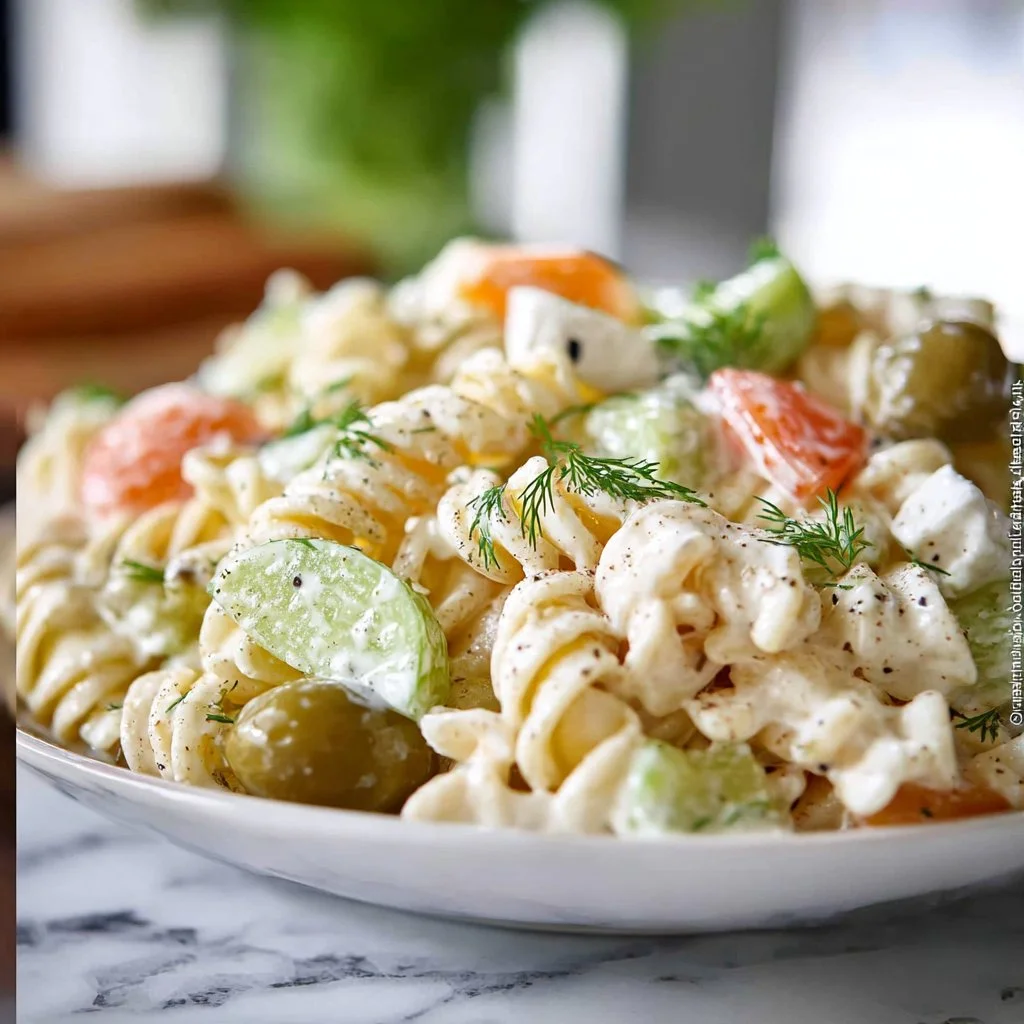
Pasta Salad
Pasta Salad: A Perfect Mix of Freshness and Flavor
Hey there, foodie friends! Beau here, and today we’re diving into a dish that’s as colorful as it is delicious: Pasta Salad! Whether you’re hosting a summer cookout, prepping for a potluck, or just searching for a quick and vibrant meal, this pasta salad is your go-to dish. It’s light yet fulfilling, bursting with fresh veggies, and oh-so-easy to whip up.
I love a good pasta salad because it can be adapted to whatever you have on hand. Plus, it’s a fantastic way to get your daily dose of veggies while enjoying the comforting goodness of pasta. Picture this: sun shines on your picnic blanket, friends are laughing around the table, and everyone is raving about your delicious creation. Sounds good, right?
More than just a side dish, pasta salad evokes memories of family gatherings, lazy summer days, and the joy of sharing food with loved ones. So grab your favorite apron and let’s get cooking! This recipe is straightforward, and I promise even the newest of cooks will feel like kitchen rock stars by the end. Let’s jump in!
Personal Story
Growing up, my family had this fantastic tradition of summer cookouts. My Aunt Martha was the undisputed queen of the pasta salad – like, if there were a pasta salad Hall of Fame, she’d have her own plaque, hands down! I can still picture her bustling around the kitchen, laughter echoing as we helped her prep the ingredients. It always felt like a mini celebration, and the air was infused with a medley of smells from the fresh veggies and tangy dressing.
One summer, when I was about ten, I decided to “help” a bit more than usual. I snuck some of Aunt Martha’s secret ingredients (I’m looking at you, feta cheese!) and tossed them into the salad when she wasn’t looking. Well, let me tell you, it was a glorious disaster but also a fun memory that filled our table with laughter. That day sparked my passion for experimenting in the kitchen, and now I strive to capture that same sense of joy and camaraderie in every recipe I share.
And guess what? My version of Aunt Martha’s pasta salad is equally delightful, but with my twists and variations that make it uniquely mine. Ready to create your own pasta salad memories? Let’s roll!
Ingredients
Here’s what you’ll need to create this delightful pasta salad:
-
8 oz pasta (bowtie, rotini, or penne): Choose the shape that speaks to your heart! Bowtie adds a fun flair, while rotini grabs hold of the dressing beautifully.
-
1 cup cherry tomatoes, halved: These little gems burst with flavor and color. Can’t find cherry tomatoes? Any small, juicy tomato will do, just chop them up.
-
1 cucumber, diced: A refreshing crunch that brightens every bite. If you prefer something sweeter, try a yellow cucumber or even zucchini!
-
1 bell pepper, diced: Go for vibrant colors! Red, yellow, or orange bell peppers add sweetness and a pop of color. Green peppers are fine too, just a bit more bitter.
-
1/2 red onion, diced: Adds a zingy flavor! If you find raw red onion too strong, soak it in cold water for a few minutes to mellow out the flavor.
-
1 cup Italian dressing: The star of the dressing show! You can use store-bought for convenience, or if you’re feeling adventurous, whip up a homemade version to amp up the flavor.
-
1/2 cup feta cheese, crumbled: Salty and tangy, feta brings a beautiful creaminess. If you’re dairy-free, try crumbled tofu with a splash of lemon juice for a similar zing.
-
Salt and pepper to taste: Essential for bringing out all those vibrant flavors.
-
Fresh parsley for garnish: A sprig of freshness! Not a fan? Fresh basil or cilantro is an excellent swap.
Step-by-Step Instructions
Alright, my fellow food lover, let’s get cooking!
Step 1: Boiling the Pasta
-
Bring a large pot of salted water to a boil. It’s essential to season your water well; this is where your pasta first absorbs flavor.
-
Add the 8 oz of pasta. Measure it out, toss it into the bubbling pot, and give it a gentle stir. Cook according to package instructions until it’s al dente. Aim for around 8-10 minutes.
-
Taste test a minute or two before the timer goes off. You want that perfect bite! Drain the pasta in a colander and rinse it under cold water to stop the cooking process and cool it down for the salad.
Step 2: Chopping the Veggies
-
While the pasta cooks, prep your vegetables. Grab your trusted cutting board and a sharp knife. Slice those cherry tomatoes in half, dice your cucumber, bell pepper, and red onion.
-
Tip: For the cucumber, if you want to minimize seeds or bitterness, peel it before dicing. And don’t forget to keep your knife fingers safe; tuck them in!
Step 3: Mixing It All Together
-
In a large bowl, combine the cooled pasta with your chopped veggies. This is where the magic starts!
-
Pour in the 1 cup of Italian dressing. Go ahead and mix it all together! The key here is making sure every piece of pasta and veggie gets a good coating of that delicious dressing.
-
Add in the crumbled feta cheese. Fold it in gently. We want the chunks to stay nice and chunky, adding the perfect pops of creamy flavor.
-
Season with salt and pepper to taste. Remember, you can always add, but you can’t take away! So start light and taste as you go.
Step 4: Chill
- Cover and refrigerate for at least 30 minutes. This is a crucial step! Chilling allows the flavors to mingle and develop. Perfect timing for a pre-dinner glass of wine, if you ask me!
Step 5: Garnish and Serve
-
Before serving, give it a quick stir. Check for any settling or extra liquid, and adjust the seasonings if needed.
-
Sprinkle fresh parsley on top for a vibrant finishing touch. Ahhh, so pretty!
Serving Suggestions
Now that your colorful pasta salad is all dressed up and ready to go, let’s talk serving!
For those fancy get-togethers, you could serve this salad in individual bowls for a restaurant-style presentation. Or if you’re feeling casual, simply pile it into a large serving bowl at the center of the table. Add a ladle for serving so everyone can help themselves.
Pair this delightful dish with grilled chicken, steak, or even some veggie burgers for a complete meal. And don’t forget to have a few slices of freshly baked baguette on the side – perfect for soaking up any extra dressing!
Recipe Variations
Feeling creative? Here are some fun twists on the classic pasta salad:
-
Mediterranean Twist: Add kalamata olives, artichoke hearts, and a squeeze of lemon for a vibrant Mediterranean flair.
-
Protein Boost: Toss in grilled chicken or chickpeas to make it more filling.
-
Spicy Kick: Add diced jalapeños or a splash of sriracha for those who love some heat!
-
Herb-Forward: Swap the parsley for fresh basil or dill for a garden-fresh taste.
-
Creamy Version: Mix in a dollop of Greek yogurt or sour cream along with the dressing for a creamier consistency.
Feel free to mix and match to create your ultimate pasta salad masterpiece!
Chef’s Notes
Pasta salad has come a long way since my Aunt Martha’s days. Over time, I’ve realized the versatility of this dish is what makes it so special. You can personalize it to reflect your tastes, dietary preferences, and even seasonal ingredients. One year, I enjoyed a fall-inspired pasta salad with roasted butternut squash and cranberries, and it totally changed my perspective on this dish!
Also, a little secret: this pasta salad keeps well in the fridge for about 3-4 days, if it lasts that long! Just note the veggies might get a bit softer as they sit, but the flavor only intensifies. Enjoying the leftover salad after the family gathering brings back a beautiful wave of memories.
FAQs and Troubleshooting
1. Can I make this pasta salad a day in advance?
Absolutely! In fact, it often tastes better the next day after all the flavors have had a chance to mingle. Just keep it covered in the fridge.
2. What if my salad is too dry?
Not to worry! Just drizzle in some more dressing or even a splash of olive oil and mix well. Taste and adjust as necessary.
3. My pasta is sticky! What went wrong?
Sometimes it happens! Make sure to rinse under cold water after cooking to separate the strands. A dash of olive oil helps too!
4. Are there any good substitutions I can make?
Definitely! Swap pasta for quinoa for a gluten-free option. You can also experiment with different dressings or cheeses according to your taste!
Nutritional Info
This pasta salad is not only delicious, but it’s also packed with nutrients! Here’s a general breakdown for one serving (assuming 6 servings total):
- Calories: 250
- Protein: 8g
- Carbohydrates: 30g
- Fat: 11g
- Fiber: 3g
- Sodium: 350mg
It’s a great source of vitamins from fresh veggies and can be personalized further to fit your dietary needs!
Final Thoughts
And there you have it – a vibrant, delicious pasta salad that’s bound to be a hit at your next gathering! Food is all about connection, and I love how this dish brings people together, sparking conversation and sharing laughter. So next time you bring this pasta salad to the table, remember it’s more than just a recipe – it’s about making memories and sharing the warmth of home-cooked goodness.
I can’t wait to see how your version turns out! Snap a pic, tag me on social media, and show off your culinary creation. Until next time, keep cooking and savoring every bite. You’ve got this. Cheers! 🍽️
Print
Pasta Salad
- Total Time: 45 minutes
- Yield: 6 servings 1x
- Diet: Vegetarian
Description
A vibrant and delicious pasta salad loaded with fresh veggies, perfect for summer gatherings and potlucks.
Ingredients
- 8 oz pasta (bowtie, rotini, or penne)
- 1 cup cherry tomatoes, halved
- 1 cucumber, diced
- 1 bell pepper, diced
- 1/2 red onion, diced
- 1 cup Italian dressing
- 1/2 cup feta cheese, crumbled
- Salt and pepper to taste
- Fresh parsley for garnish
Instructions
- Bring a large pot of salted water to a boil.
- Add 8 oz of pasta and cook according to package instructions until al dente, about 8-10 minutes.
- Taste test a minute or two before draining in a colander; rinse under cold water.
- While the pasta cooks, prep your vegetables by chopping the cherry tomatoes, cucumber, bell pepper, and red onion.
- In a large bowl, combine cooled pasta with chopped veggies.
- Pour in 1 cup of Italian dressing and mix well.
- Add crumbled feta cheese and gently fold in.
- Season with salt and pepper to taste.
- Cover and refrigerate for at least 30 minutes.
- Before serving, sprinkle with fresh parsley and give it a quick stir.
Notes
Pasta salad can be made a day in advance for better flavor development. Keeps well in the fridge for 3-4 days.
- Prep Time: 15 minutes
- Cook Time: 10 minutes
- Category: Side Dish
- Method: Mixing
- Cuisine: Italian
Nutrition
- Serving Size: 1 serving
- Calories: 250
- Sugar: 4g
- Sodium: 350mg
- Fat: 11g
- Saturated Fat: 4g
- Unsaturated Fat: 5g
- Trans Fat: 0g
- Carbohydrates: 30g
- Fiber: 3g
- Protein: 8g
- Cholesterol: 15mg
Keywords: pasta salad, summer salad, quick meal, vegetarian recipe, colorful dish
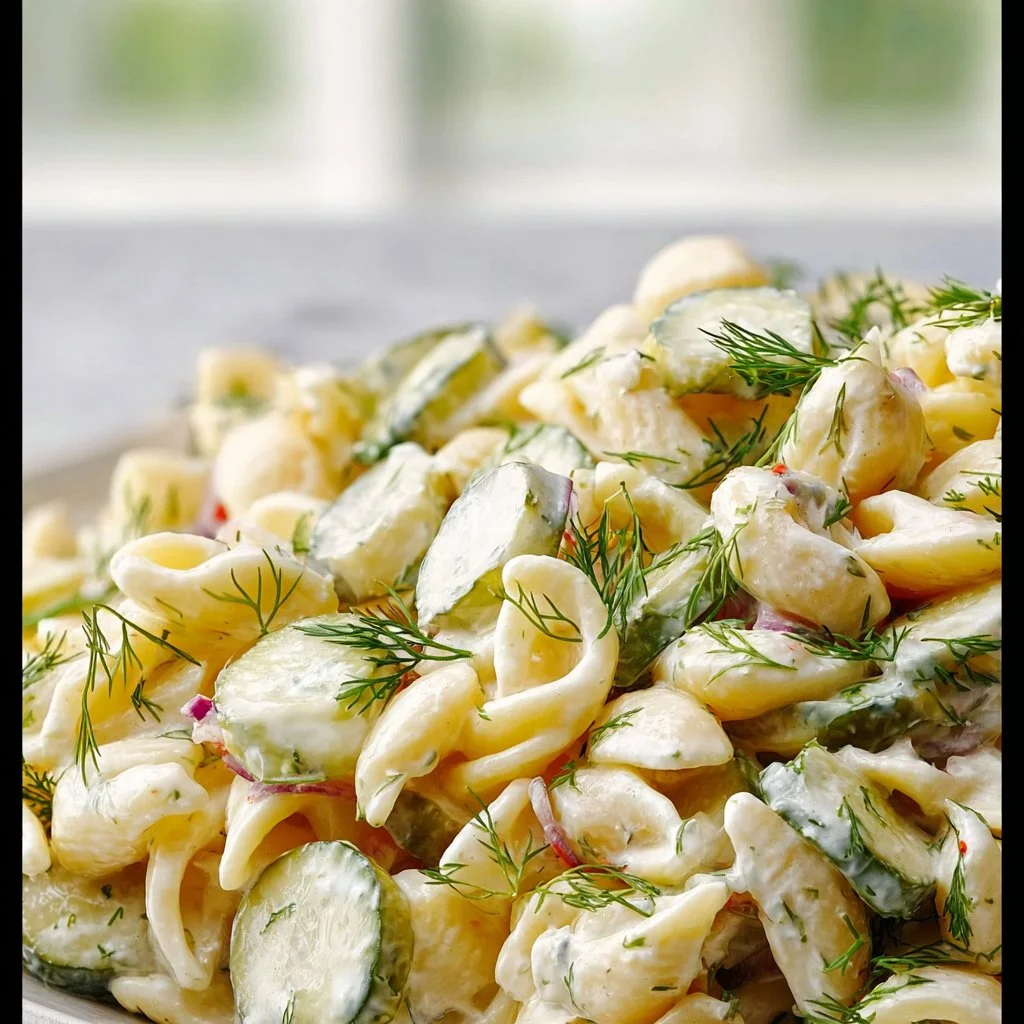
Dill Pickle Pasta Salad
# Dill Pickle Pasta Salad: A Tangy Twist on Tradition

## Introduction

Hey there, fellow foodies! Welcome back to Feastical, where every kitchen experience is elevated by delicious flavors, warm memories, and a dash of creativity. Today, I’m thrilled to share a recipe that's been bringing folks together for generations: Dill Pickle Pasta Salad. This dish is a delightful amalgamation of creamy, tangy, and crunchy textures that take your taste buds for a joyful ride. It’s perfect for family picnics, BBQs, or even just a cozy night in with a movie and a delicious bowl of goodness.

What’s fantastic about this Dill Pickle Pasta Salad is its versatility. It can be served as a side, a main dish, or even as a meal prep star. Plus, it’s one of those recipes that anyone can throw together in a snap, regardless of your culinary skills. I mean, who doesn’t love pasta? And throw in some dill pickles? Well, you’ve got a match made in snack heaven!

Let me take you back for a moment to my childhood. I remember the first time my grandma made this salad for a family gathering. The sun was shining, laughter filled the air, and that colorful bowl of creamy pasta was enticing everyone to help themselves. The way the sharp cheddar, the herbal dill, and the sour notes of the pickles danced together was nothing short of magic. It was so refreshing, and you could feel the love and nostalgia in every bite. That's the power of food—it's not just about taste; it’s about the memories we create around it. So, let’s get started, shall we?

## Personal Story

I remember sitting at my grandma's wooden kitchen table, which was always slightly wobbly but just perfect for a family gathering. Her Dill Pickle Pasta Salad was the crowd-pleaser, and I couldn’t wait to help mix up those beloved ingredients.

As a kid, I was a bit of a picky eater. But there was just something about that salad—its creamy dressing and crunchy pickles called my name. Every summer, we’d gather for family reunions, and each year, the same unspoken rule applied: if Grandma was in the kitchen, everyone was in line for seconds (or thirds!).

One year, I decided to take a leap and add a few extra pickles in the mix. My cousin, who was a tad more adventurous with flavors than I was, loved my idea, and we ended up creating our own little culinary adventure. That small moment sparked a lifelong love of cooking and experimenting in the kitchen. And here we are, years later, still celebrating the joy of food and family!

## Ingredients

Here’s what you’ll need to whip up this delightful Dill Pickle Pasta Salad. Don’t worry; I have tips for each ingredient!

- **2 cups cooked pasta**
  I recommend using shells or elbows since they hold dressing beautifully. If you’re gluten-free, feel free to switch to chickpea or zucchini noodles for a healthier twist.

- **1 cup dill pickles, chopped**
  Go for the classic sour dill pickles! They add the right crunch and acidity. If you’re not a fan of dill, you can choose bread-and-butter pickles for a sweeter vibe.

- **1 cup sharp white cheddar cheese, diced**
  The sharpness of the cheddar adds such a fantastic flavor contrast. If you’re looking for a dairy-free option, try a plant-based cheese.

- **1/4 cup fresh dill, chopped**
  Fresh is best! If you only have dried dill, use about 2 teaspoons. Don’t skimp on this ingredient; it’s what gives the salad its distinct flavor!

- **1/2 cup mayonnaise**
  Feel free to use a lighter version or even Greek yogurt for a tangy twist.

- **1/4 cup sour cream**
  This adds creaminess. Again, you can substitute in more Greek yogurt or even a vegan alternative.

- **1 tablespoon pickle juice**
  Collect the magic from your pickles with this ingredient! If you find it too tangy, you can omit or lessen the amount.

- **Salt and pepper to taste**
  Always add to your preference, but start conservatively and adjust as needed.

## Step-by-Step Instructions

Alright, let’s dive into the cooking process! Grab your utensils, put on your favorite apron, and let’s create some magic.

### Step 1: Cook the Pasta
Start by bringing a large pot of salted water to a rolling boil. Add 2 cups of pasta and cook according to package instructions until al dente. I usually like to undercook it by a minute since it'll continue to cook while cooling. Once it’s done, drain the pasta and rinse it under cold water. This stops the cooking process and ensures our pasta remains perfectly firm.

### Step 2: Prepare the Ingredients
While the pasta is cooling, chop your pickles and cheese. Before you know it, you’ll have that fragrant dill ready as well. Pro tip: Use a sharp knife for the cheese; it’ll make chopping so much easier!

### Step 3: Mix the Dressing
In a large mixing bowl, combine the mayonnaise, sour cream, and pickle juice. Whisk it together until it’s smooth and creamy. You want to make sure it’s well blended, as the dressing is the heart of your salad. This is also the time to season it with a touch of salt and pepper.

### Step 4: Combine
Now it’s time for the fun part! Add the cooled pasta to the mixing bowl and gently fold in the chopped pickles, cheddar cheese, and fresh dill. Make sure everything is coated in the dressing. You want every bite to be bursting with flavor!

### Step 5: Chill
Cover the bowl with plastic wrap or a lid and refrigerate for at least an hour (if you can wait!). Chilling allows the flavors to mingle and intensify. If you want to eat it right away, no worries; it’ll still be delicious!

### Step 6: Enjoy!
When you’re ready to serve, give it one final stir, taste, and adjust the seasoning if necessary. Dig in, and don’t be surprised if you end up eating several servings—this Dill Pickle Pasta Salad is that good!

## Serving Suggestions

Serving can truly elevate your pasta salad experience. For a casual gathering, I love presenting this salad in a large, colorful bowl and letting everyone serve themselves. Adding a sprinkle of extra fresh dill on top creates a beautiful garnish.

If you’re feeling a bit fancy, try serving individual portions in mason jars! They look adorable and are perfect for picnics or meal prepping for the week. Just layer your pasta salad with the creamy goodness on top, so it’s easy to grab and go!

Pair this salad with grilled chicken or a veggie platter for a colorful, balanced meal. You won’t believe how it steals the show at any BBQ or picnic, either!

## Recipe Variations

Here are some flavorful twists to make this recipe your own:

1. **Bacon Dill Pickle Pasta Salad**: Add crispy crumbles of bacon for a smoky flavor and extra crunch. Trust me; it’s a game-changer!

2. **Spicy Kick**: Throw in some diced jalapeños or a sprinkle of red pepper flakes to spice things up. Perfect for those who crave a little heat!

3. **Mediterranean Flair**: Toss in some cherry tomatoes, olives, and feta for a Mediterranean spin. The fresh ingredients paired with dill make for an excellent combination!

4. **Vegan Option**: Swap the cheese and mayo for plant-based alternatives, and you have a delicious vegan dish everyone can enjoy!

5. **Herbal Bliss**: Mix in other fresh herbs like parsley or chives for additional layers of flavor. It's a great way to use up leftover herbs from the fridge!

## Chef’s Notes

I absolutely love how cooking constantly evolves! This Dill Pickle Pasta Salad is a classic dish that has transformed over time, especially in social gatherings. I’ve experimented with cook-outs and potluck dinners, and I can assure you—no one has ever turned down a scoop!

There was one epic summer BBQ when we were running low on space in the fridge; I decided to throw in an entire jar of pickles into the salad. As it turns out, that spontaneous decision became a new favorite amongst my friends! The whole kitchen just erupted with laughter and enthusiasm. Food has that incredible power.

## FAQs and Troubleshooting

**1. My pasta salad is too creamy; how can I fix it?**
If you find the salad too rich, try adding a bit of extra pickle juice or even a splash of vinegar to lighten it up.

**2. How long will this salad last in the fridge?**
This beauty can last about 3-5 days in the fridge. Just be sure it’s in an airtight container to keep all those flavors locked in!

**3. Can I make this salad ahead of time?**
Absolutely! Making it a day in advance allows the flavors to blend even more beautifully. Just give it a quick stir before serving.

**4. I don't have fresh dill. Can I use dried?**
Yes, you can! Just remember that dried dill is more concentrated, so use about 2 teaspoons instead of 1/4 cup.

## Nutritional Info

While I believe that food should be enjoyed and not overly analyzed, it can help to have a rough understanding of what’s on your plate.

A typical serving of Dill Pickle Pasta Salad includes:
- **Calories**: About 350
- **Protein**: Roughly 10g, thanks to the cheese and pasta
- **Carbohydrates**: Approximately 40g
- **Fat**: Around 20g, largely from the mayo and cheese
- **Fiber**: About 2g from the pasta and pickles

Depending on your substitutions, these numbers can vary, but it’s always helpful to have a general idea in mind!

## Final Thoughts

There you go, kitchen rockstars! I hope this Dill Pickle Pasta Salad brings as much joy and comfort to your table as it has to mine over the years. Whether you’re enjoying it at a summer BBQ, a cozy family gathering, or simply for yourself at home, remember that food, at its best, is about connectivity and love.

So, don’t forget to share this recipe with friends and family. Who knows? You might just ignite a culinary memory as you embark on these flavorful adventures together! Until next time, keep those spatulas handy and your taste buds eager. Happy cooking!
Dill Pickle Pasta Salad
- Total Time: 25 minutes
- Yield: 4 servings 1x
- Diet: Vegetarian
Description
A creamy, tangy, and crunchy pasta salad featuring dill pickles, cheddar cheese, and fresh dill—perfect for any occasion.
Ingredients
- 2 cups cooked pasta (shells or elbows)
- 1 cup dill pickles, chopped
- 1 cup sharp white cheddar cheese, diced
- 1/4 cup fresh dill, chopped
- 1/2 cup mayonnaise
- 1/4 cup sour cream
- 1 tablespoon pickle juice
- Salt and pepper to taste
Instructions
- Cook the pasta in a large pot of salted boiling water until al dente, then drain and rinse under cold water.
- Prepare the pickles, cheese, and dill while the pasta cools.
- Mix the mayonnaise, sour cream, and pickle juice in a large bowl until smooth.
- Combine the cooled pasta with the dressing, pickles, cheddar, and fresh dill.
- Chill for at least one hour in the refrigerator.
- Enjoy and serve with additional dill as garnish if desired.
Notes
Feel free to substitute with gluten-free pasta, dairy-free cheese, or Greek yogurt. Can last 3-5 days in the fridge.
- Prep Time: 15 minutes
- Cook Time: 10 minutes
- Category: Side Dish
- Method: No cooking required post pasta prep
- Cuisine: American
Nutrition
- Serving Size: 1 serving
- Calories: 350
- Sugar: 5g
- Sodium: 400mg
- Fat: 20g
- Saturated Fat: 6g
- Unsaturated Fat: 10g
- Trans Fat: 0g
- Carbohydrates: 40g
- Fiber: 2g
- Protein: 10g
- Cholesterol: 30mg
Keywords: Dill Pickle, Pasta Salad, Side Dish, Vegetarian, Comfort Food
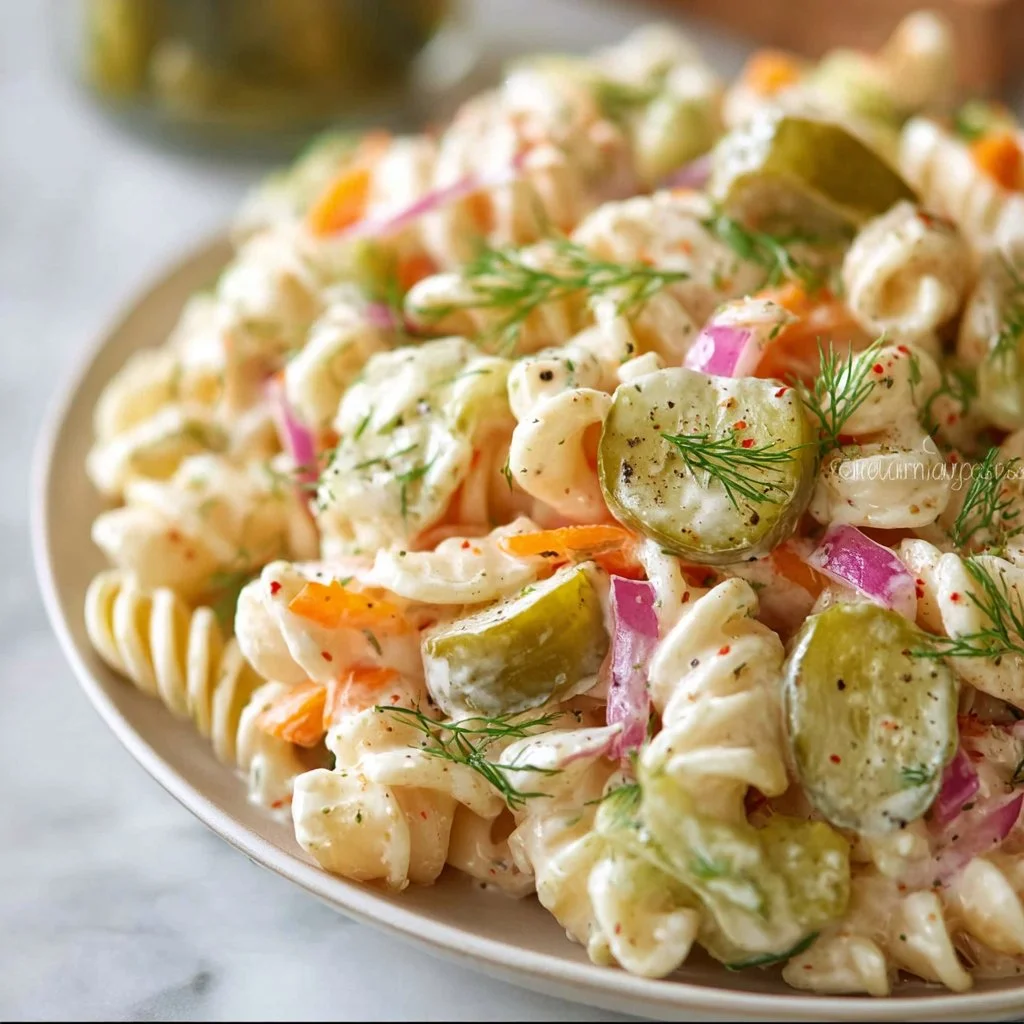
Dill Pickle Pasta Salad
Dill Pickle Pasta Salad: A Journey of Flavors
Hey there, food lovers! It’s Beau Collier here, and today we’re diving into the delicious world of Dill Pickle Pasta Salad. This dish is not only bursting with flavor, but it also brings back some awesome memories from my childhood. So, grab your mixing bowl and let’s get cooking!
Pasta salad is one of those magical dishes that embodies a zero-fuss deliciousness and a meal that’s perfect for any occasion. Whether it’s a laid-back barbecue, a potluck gathering, or even just a cozy dinner on a weeknight, pasta salad is your go-to dish. Now, what makes this particular version stand out from the rest? The answer is simple: the zesty, tangy punch of dill pickles!
Growing up, food was a way of connecting with my family and friends. I can still picture my grandmother in her sunny kitchen, with pots boiling over and a big friendly smile plastered on her face. She was famous for her creamy pasta salads, but the one that always made my taste buds dance was her dill pickle creation. I remember thinking, “How can something so simple be so amazing?” Spoiler alert: it’s the dill pickles!
Fast forward to today, and I’m thrilled to pass on that love for dill pickle pasta salad to you! It’s a dish that embodies the warmth of family gatherings and the joy of sharing meals with loved ones. Plus, it’s super easy to make and even easier to customize. Get ready to dig into a bowl of creamy, tangy goodness that will have everyone coming back for more.
Personal Story
One of my fondest memories connected to dill pickle pasta salad happened during the warm summer evenings at my grandparents’ house. The whole family would gather in the backyard, and my grandmother would set out a buffet of colorful dishes—grilled burgers, fresh watermelon slices, and, of course, her famous pasta salad.
I can still hear the laughter and chatter as we gathered around the picnic table, plates in hand, excitement hanging in the air. What I loved the most was watching Grandma drop spoonfuls of her iconic pasta salad into our bowls with a grace that warmed my heart. I was curious about the secret ingredient, and she finally let me in on it—the pickles! She taught me how their tartness brightened up the whole dish and turned it into something truly special.
Those evenings create a special space in my heart, and every time I make this pasta salad, I’m taken back to those cherished moments. It’s not just a recipe; it’s a way to relive those warm, joyful gatherings and create new ones!
Ingredients
Ready to gather the ingredients? Here’s what you’ll need to whip up this delightful Dill Pickle Pasta Salad:
-
8 ounces pasta (e.g., rotini or penne): Use any pasta you love! Rotini adds a fun twist, while penne holds onto the dressing beautifully. Swap with gluten-free pasta if that’s your vibe.
-
1 cup dill pickles, diced: Pickles are the star of the show! For a slightly sweeter flavor, use bread-and-butter pickles, but the classic dill is where it’s at.
-
1/2 cup red onion, chopped: Red onion brings a lovely crunch! If it’s too strong for your palate, use green onions or even shallots for a milder flavor.
-
1/2 cup celery, diced: Celery adds that satisfying crunch. If you’re not a fan, you can replace it with bell peppers for a pop of color and sweetness.
-
1/2 cup mayonnaise: This smooth spread creates the creamy base. For a lighter option, swap it for Greek yogurt.
-
1/4 cup sour cream: The perfect tangy complement! You can also use plain yogurt if you want a healthier twist.
-
1 tablespoon pickle juice: The magic ingredient! It amplifies the pickle flavor. If you’re feeling zesty, add a splash more.
-
1 teaspoon dill weed: It enhances the dill flavor, so sprinkle it in there! If you have fresh dill on hand, use it for an even punchier taste.
-
Salt and pepper to taste: Always season your food! Adjust to your liking for that extra zing.
Step-by-Step Instructions
Ready to unleash your inner chef? Let’s turn those fabulous ingredients into a mouthwatering dill pickle pasta salad!
-
Cook the Pasta:
- Start by boiling a large pot of salted water. Once it’s bubbling like a hot spring, add your pasta. Cook according to package instructions until it’s al dente—this means firm to the bite.
- Chef Tip: Add a splash of olive oil to the water. It helps prevent the pasta from sticking together.
-
Prepare the Veggies:
- While the pasta cooks, grab a cutting board and chop your dill pickles, red onion, and celery.
- Chef Insight: If you rinse the diced onion under cold water, it’ll take away some of the bitterness and mellow it out.
-
Mix the Dressing:
- In a separate bowl, combine the mayonnaise, sour cream, pickle juice, dill weed, and a pinch of salt and pepper. Whisk together until it’s smooth and creamy.
- Little Chef Hack: For a little extra zip, toss in a teaspoon of Dijon mustard. It’ll elevate the flavor and give it a subtle tang!
-
Combine Everything:
- Drain the pasta and let it cool slightly before tossing it in a large mixing bowl. Once it’s warm but not hot, mix in the chopped veggies.
- Pour the dressing over the pasta mixture and stir gently until everything is well coated.
-
Taste and Adjust:
- Now comes the fun part—give it a taste! Adjust the seasoning if needed. If it feels missing something, a little more pickle juice may do the trick.
- Chef’s Pro Tip: Let the pasta salad chill in the fridge for at least 30 minutes before serving. This time allows the flavors to meld beautifully!
Serving Suggestions
When it comes to serving, presentation is key! Here are some fun and fabulous ways to plate your dill pickle pasta salad:
-
In a Beautiful Bowl: Place the pasta salad in a vibrant, colorful bowl and garnish with some fresh dill sprigs on top for that extra touch. It says, “I’m fancy, but I’m still inviting!”
-
In Lettuce Cups: For a fun twist, serve the pasta salad in lettuce cups. This adds a crunch and a refreshing leafiness that complements the flavors!
-
As a Side Dish: Pair it alongside grilled meats, burgers, or hot dogs. The tanginess of the salad cuts through rich flavors, making it a perfect feast companion.
-
On a Picnic Platter: Serving it at a gathering? Bring out a rustic wooden board and plate it with assorted snacks and dips. It’s a guaranteed crowd-pleaser!
Recipe Variations
Now that you’ve mastered the classic dill pickle pasta salad, here are some creative twists to keep things exciting:
-
Bacon Ranch: Add crumbled bacon and a ranch seasoning mix to your dressing. It gives it a smoky flavor that’s oh-so-satisfying!
-
Spicy Kick: Throw in some diced jalapeños or a splash of hot sauce for those who love a little heat. It doesn’t just add spice but also a warm flavor depth.
-
Creamy Avocado: Mix diced avocado into the salad for a creamy texture. It’s a delightful addition that makes this dish more luxurious!
-
Mediterranean Vibes: Swap dill pickles for tangy olives and add crumbled feta cheese instead of sour cream for a Mediterranean-inspired salad.
-
Vegan Delight: Use cashew cream or tofu-based mayonnaise to make this a plant-based dish while keeping it deliciously creamy!
Chef’s Notes
As with any recipe, this dill pickle pasta salad has evolved over time. I’ve tried countless variations, and every time I do, it brings me back to those warm evenings at Grandma’s house. You know how I mentioned that splash of pickle juice? That’s my playful nod to the original recipe, where we used whatever tangy bits we had lying around!
One time, I decided to experiment with adding a bit of goat cheese to the mix, and oh boy, did I fall in love! The creaminess of the cheese gave it a luscious texture. So, don’t be afraid to let your creativity shine through. It’s all about finding the flavors that make your heart sing!
FAQs and Troubleshooting
Let’s tackle some common questions and potential pitfalls. Here are a few FAQs:
-
Why is my pasta salad mushy?
- This can happen if you overcook the pasta. Always cook it al dente, and remember it will continue to cook slightly after draining.
-
Can I make pasta salad ahead of time?
- Absolutely! In fact, it’s better the next day as the flavors meld together. Just store it in an airtight container in the fridge.
-
How do I make it less tangy?
- If you find the salad too tangy, add a little more sour cream or a bit of sugar to balance the flavors out.
-
What if I don’t like pickles?
- No problem! You can omit the pickles and try some of the variants mentioned earlier, like olives or roasted red peppers!
Nutritional Info
Now, let’s talk about nutritional benefits. Each serving of this delightful dill pickle pasta salad packs a punch of flavor without overwhelming you in calories. Depending on the specific ingredients you choose, here’s a general breakdown:
- Calories: Approximately 250-300 calories per serving (about 1 cup)
- Protein: Around 6-8 grams, depending on the dressing and added ingredients
- Fat: About 14-16 grams, primarily from the mayonnaise and sour cream
- Carbohydrates: Around 30-35 grams, mostly from the pasta
- Fiber: About 2-3 grams, thanks to the veggies!
Feel free to adjust the ingredient quantities to fit your dietary needs, whether you’re looking for lighter options or more filling additions!
Final Thoughts
There you have it—a delightful venture into a bowl of creamy, tangy Dill Pickle Pasta Salad that embodies the spirit of togetherness! Whether you’re serving it at a picnic, barbecue, or just enjoying it solo as a comforting meal, this pasta salad is sure to evoke smiles and heartwarming memories.
Remember, cooking is all about having fun and exploring flavors! Let this dish be a canvas for your culinary experiments, and don’t hesitate to make it your own. I’ve shared my memories and tricks with you, now it’s your turn to create your own heartfelt moments in the kitchen. So, dive in, enjoy the process, and most importantly—share it with the ones you love!
Until next time, happy cooking! 🥗
Print
Dill Pickle Pasta Salad
- Total Time: 25 minutes
- Yield: 4 servings 1x
- Diet: Vegetarian
Description
A creamy and tangy pasta salad bursting with flavors of dill pickles, perfect for any occasion.
Ingredients
- 8 ounces pasta (e.g., rotini or penne)
- 1 cup dill pickles, diced
- 1/2 cup red onion, chopped
- 1/2 cup celery, diced
- 1/2 cup mayonnaise
- 1/4 cup sour cream
- 1 tablespoon pickle juice
- 1 teaspoon dill weed
- Salt and pepper to taste
Instructions
- Cook the Pasta: Start by boiling a large pot of salted water. Once it’s bubbling, add your pasta. Cook according to package instructions until it’s al dente.
- Prepare the Veggies: While the pasta cooks, chop your dill pickles, red onion, and celery.
- Mix the Dressing: In a separate bowl, combine the mayonnaise, sour cream, pickle juice, dill weed, and a pinch of salt and pepper. Whisk together until it’s smooth and creamy.
- Combine Everything: Drain the pasta and let it cool slightly. Mix in the chopped veggies, then pour the dressing over the pasta mixture and stir gently until well coated.
- Taste and Adjust: Give it a taste and adjust the seasoning if needed. Chill the pasta salad in the fridge for at least 30 minutes before serving.
Notes
Letting the salad chill enhances the flavors. You can customize the salad with ingredients like bacon, jalapeños, or avocado for added twists!
- Prep Time: 15 minutes
- Cook Time: 10 minutes
- Category: Side Dish
- Method: Mixing
- Cuisine: American
Nutrition
- Serving Size: 1 serving
- Calories: 275
- Sugar: 3g
- Sodium: 450mg
- Fat: 14g
- Saturated Fat: 3g
- Unsaturated Fat: 9g
- Trans Fat: 0g
- Carbohydrates: 34g
- Fiber: 2g
- Protein: 6g
- Cholesterol: 20mg
Keywords: pasta salad, dill pickles, creamy salad, easy recipe, summer dish
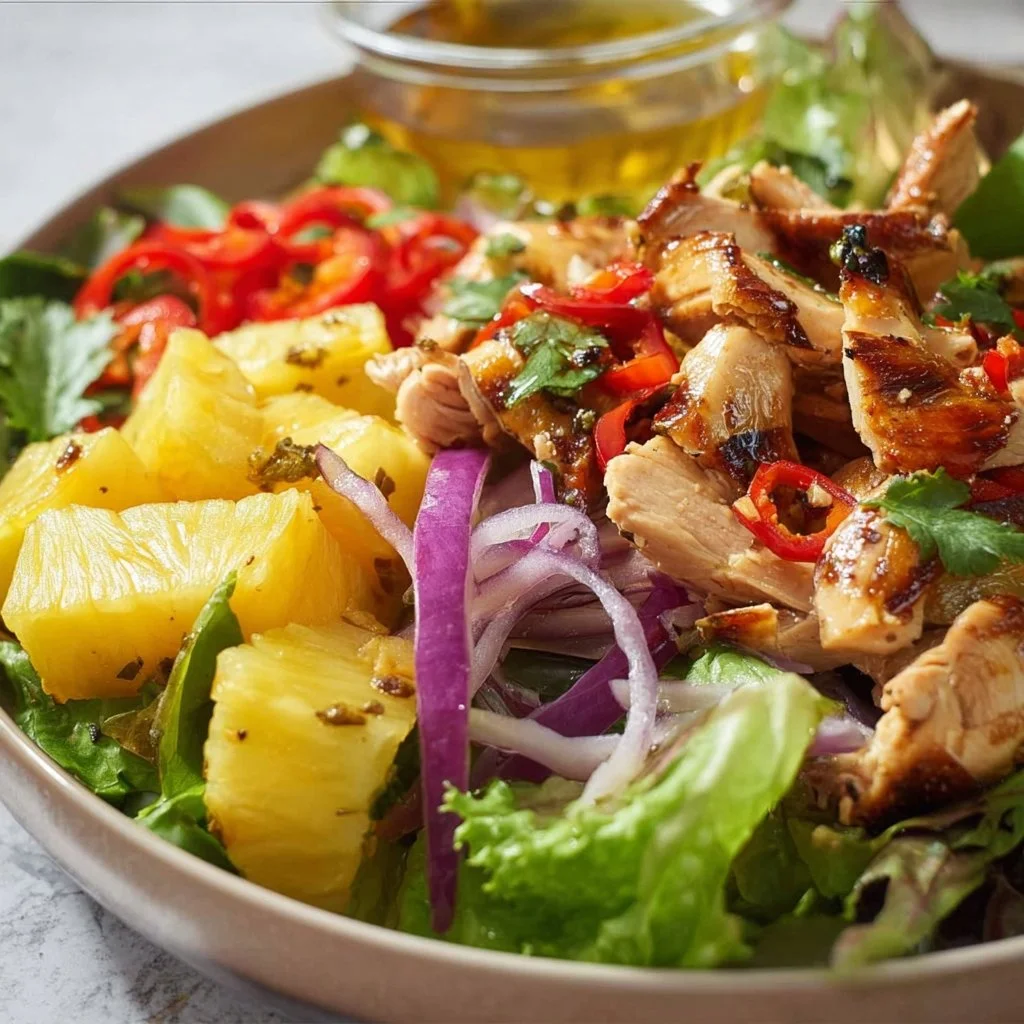
Chicken and Pineapple Salad
Chicken and Pineapple Salad: A Tropical Escape on Your Plate
Hey there! Welcome back to my kitchen here at Feastical, where we whip up good vibes served alongside delicious bites! 🌿 Are you ready to dive into a culinary adventure? Today, we’re making a refreshing Chicken and Pineapple Salad that’s not only vibrant and colorful but also bursting with flavors that’ll transport you straight to a sunny beachside. This dish is like summer in a bowl, and trust me, it’s perfect for any season!
Picture this: You’re basking in the golden sunshine, palm trees swaying gently in the breeze, and the tantalizing aroma of grilled chicken mingling with the sweet scent of fresh pineapple wafts through the air. That’s what this salad embodies—an explosion of toppings that celebrates the harmony of sweet and savory, all while keeping things light and oh-so-satisfying.
This Chicken and Pineapple Salad is not only a feast for the eyes but also a nutritious powerhouse that’s perfect for a quick lunch, a picnic, or a delightful dinner. Whether you’re meal prepping for the week or serving up something special for guests, this recipe’s your go-to solution.
So, why wait? Let’s gather our ingredients and wander down food memory lane, one tasty bite at a time. I promise you’re going to love making (and eating) this dish!
Personal Story
You know, some culinary creations stir up fond memories that take you right back in time. For me, it’s this Chicken and Pineapple Salad. It reminds me of those carefree summer days growing up when my family would host backyard barbecues. My mom would fire up the grill while I was entrusted with the salad-making duties—something that always ended up being an adventure!
One day, while assembling a simple green salad, I stumbled across a can of pineapple slices tucked away in the pantry. On a whim, I thought, “Why not add a touch of tropical sweetness?” So, I diced up the pineapple and added it to my mix of greens, grilled chicken, and whatever colorful veggies I could find in the fridge. It was an instant hit! Everyone raved about it. My dad said it was like eating a vacation, and I felt like a culinary genius.
Fast forward to today, and that childhood salad sensation has evolved into this heartwarming Chicken and Pineapple Salad that blends nostalgia with a feast of flavors. Every time I make it, I’m reminded of simpler times, laughter, and great company around the table. Now let’s get to the dish that started it all for me!
Ingredients
Here’s what you’ll need for our scrumptious Chicken and Pineapple Salad. Take a peek at each ingredient’s role in our culinary symphony:
-
2 cups cooked chicken, shredded
Choose rotisserie chicken for added convenience, or grilled chicken for that smoky flavor. If you’re vegetarian, feel free to swap with chickpeas or plant-based chicken. -
1 cup fresh pineapple, diced
Fresh is best for that juicy sweetness, but canned works, too—just keep an eye on added sugars! -
1 avocado, diced
Creamy and rich, it adds a layer of texture. If avocados aren’t your thing, switch it out for nuts like toasted almonds for extra crunch! -
4 cups mixed greens
This can be a blend of arugula, spinach, and romaine, or whatever greens you have on hand. Use kale for a heartier option; just be sure to massage it a bit before mixing! -
1/4 cup red onion, thinly sliced
For that sharp, zesty crunch. Soak them in ice water for 10 minutes if you prefer a milder flavor. -
1/4 cup cilantro, chopped
A burst of freshness! If you’re not a fan, try swapping it with fresh basil or mint for a different herbal twist. -
2 tablespoons olive oil
This will marry all the flavors together. Swap it with avocado oil for a fun alternative! -
1 tablespoon apple cider vinegar
The acidity is essential! White wine vinegar or lemon juice will also do the trick. -
1 tablespoon honey
Adds a hint of sweetness to balance the acidity. Maple syrup is a great vegan option! -
Salt and pepper to taste
Because every chef deserves a seasoned dish!
Step-by-Step Instructions
Now that we have all our ingredients laid out, let’s dive into the fun part—prepping and creating our masterpiece!
Step 1: Assemble the Chicken
Start by shredding your cooked chicken. If you’re using rotisserie, it’ll be super easy—just pull apart the juicy meat. For grilled chicken, a couple of forks will do the trick. Be sure to toss it in a little olive oil to keep it moist and flavorful!
Chef Hack: If you have leftover chicken from a previous meal, this salad is an amazing way to use it up!
Step 2: Chop Up the veggies
Dice your fresh pineapple and avocado. Aim for bite-sized pieces, as they’ll mix nicely with the greens. Slice your red onion thinly—if you want a more robust onion flavor, leave the slices larger!
Tip: I usually like to do the pineapple first to make sure my cutting board stays as clean as possible!
Step 3: Create the Dressing
In a small mixing bowl, whisk together olive oil, apple cider vinegar, and honey. Add a pinch of salt and pepper to taste. If you want an extra kick, a little garlic powder or crushed red pepper flakes will bring it to life!
Chef Insight: This dressing is versatile! Try adding fresh herbs or mustard to change it up every now and then!
Step 4: Combine Everything
In a large mixing bowl, add your mixed greens, cooked chicken, diced pineapple, avocado, cilantro, and red onion. Drizzle your freshly made dressing over the top.
Tip: If you’re prepping this for a gathering, you can keep the dressing separate until just before serving to avoid soggy greens!
Step 5: Toss!
Using tongs or two large forks, gently toss everything together. Be kind with the avocado—it’s delicate! You want everything coated with that tangy, sweet dressing.
Chef Hack: A good toss can elevate this salad from delicious to “git-in-my-belly-right-now!” Keep it light and fun.
Step 6: Serve and Enjoy!
Plate your salad on a large serving platter or into individual bowls for a beautiful presentation. Garnish with extra cilantro and a sprinkle of pepper for flair. It’s truly ready for its ‘Instagram moment’!
Serving Suggestions
Serve this Chicken and Pineapple Salad as a light lunch or dinner option all on its own! For an added kick, pair it with some warm, crusty bread or a tropical fruit smoothie on the side.
Creative Plating Ideas
- In a Wrap: Use large lettuce leaves to make a mouthwatering wrap, perfect for lunch on the go.
- In a Jar: Layer the salad in a mason jar for a creative lunch option—dress at the bottom, then add veggies, chicken, and greens on top.
Recipe Variations
While this Chicken and Pineapple Salad is fabulous as is, there’s always room for creativity! Here are some fun variations to give it your own twist:
- Tropical Twist: Add diced mango or papaya for a total tropical experience!
- Nuts About It: Sprinkle in chopped macadamia nuts or cashews for a delightful crunch.
- Spicy Kick: Create a spicy dressing by adding sriracha or chili flakes to the dressing mix.
- Seasonal Spin: Swap out the pineapple with seasonal fruits like peach or strawberries for a new flavor profile.
- Protein Swap: Swap the chicken for grilled shrimp or chickpeas for a meatless option that’s just as delightful.
Chef’s Notes
This Chicken and Pineapple Salad has been a staple in my kitchen for years! Over time, I’ve played around with various herbs and spices, adjusting it to fit my family’s evolving tastes. It’s one of those recipes that never gets old, and every time I make it, it has its own little twist.
The most hilarious moment? I once forgot to add the dressing before serving! Folks dug in expectantly only to find dry greens and chicken—whoops! Now, I triple-check that step before presenting my feast! 😅
FAQs and Troubleshooting
1. Can I use canned pineapple?
Yes, absolutely! Drain it well to keep the salad from getting watery, and look for the option packed in juice instead of syrup for fewer added sugars.
2. How can I make this salad more filling?
To make this salad more of a meal, try adding quinoa or brown rice for extra fiber and satisfaction!
3. What can I do if it’s too sweet?
If your salad ends up sweeter than desired, add a bit more salt, or introduce a splash more apple cider vinegar to balance it out.
4. How do I store leftovers?
Store any leftover salad in an airtight container in the fridge for up to two days. Keep the avocado separate if you can, to prevent browning!
Nutritional Info (approximate values per serving)
- Calories: 350
- Protein: 28g
- Fat: 18g
- Carbohydrates: 30g
- Fiber: 6g
- Sugar: 10g
This salad packs a great punch of nutrients, filling you up while keeping calories balanced—perfect for a healthy dish that still feels indulgent!
Final Thoughts
And there you have it, my friends! A vibrantly fresh and exciting Chicken and Pineapple Salad that speaks of sunshine, laughter, and delightful flavors. Whether you’re meal prepping, hosting a gathering, or simply treating yourself to something delicious, I hope this recipe finds a special place in your heart and kitchen.
Thanks for joining me in the Feastical kitchen today! I’d love to hear about your own twists and memories associated with this salad. Share your stories in the comments below, and as always, happy cooking! 🥗✨
Print
Chicken and Pineapple Salad
- Total Time: 25 minutes
- Yield: 4 servings 1x
- Diet: Gluten-Free
Description
A refreshing Chicken and Pineapple Salad that’s vibrant and bursting with flavors, perfect for any season.
Ingredients
- 2 cups cooked chicken, shredded
- 1 cup fresh pineapple, diced
- 1 avocado, diced
- 4 cups mixed greens
- 1/4 cup red onion, thinly sliced
- 1/4 cup cilantro, chopped
- 2 tablespoons olive oil
- 1 tablespoon apple cider vinegar
- 1 tablespoon honey
- Salt and pepper to taste
Instructions
- Assemble the Chicken: Start by shredding your cooked chicken.
- Chop Up the veggies: Dice your fresh pineapple and avocado.
- Create the Dressing: In a small mixing bowl, whisk together olive oil, apple cider vinegar, and honey.
- Combine Everything: In a large mixing bowl, add your mixed greens, cooked chicken, diced pineapple, avocado, cilantro, and red onion.
- Toss: Using tongs or two large forks, gently toss everything together.
- Serve and Enjoy: Plate your salad on a large serving platter or into individual bowls.
Notes
Great for meal prepping, picnics, or serving guests. Keep dressing separate until serving to avoid soggy greens.
- Prep Time: 15 minutes
- Cook Time: 10 minutes
- Category: Salad
- Method: Mixing
- Cuisine: Tropical
Nutrition
- Serving Size: 1 serving
- Calories: 350
- Sugar: 10g
- Sodium: 250mg
- Fat: 18g
- Saturated Fat: 3g
- Unsaturated Fat: 14g
- Trans Fat: 0g
- Carbohydrates: 30g
- Fiber: 6g
- Protein: 28g
- Cholesterol: 70mg
Keywords: chicken salad, pineapple salad, tropical salad, healthy salad, summer recipe
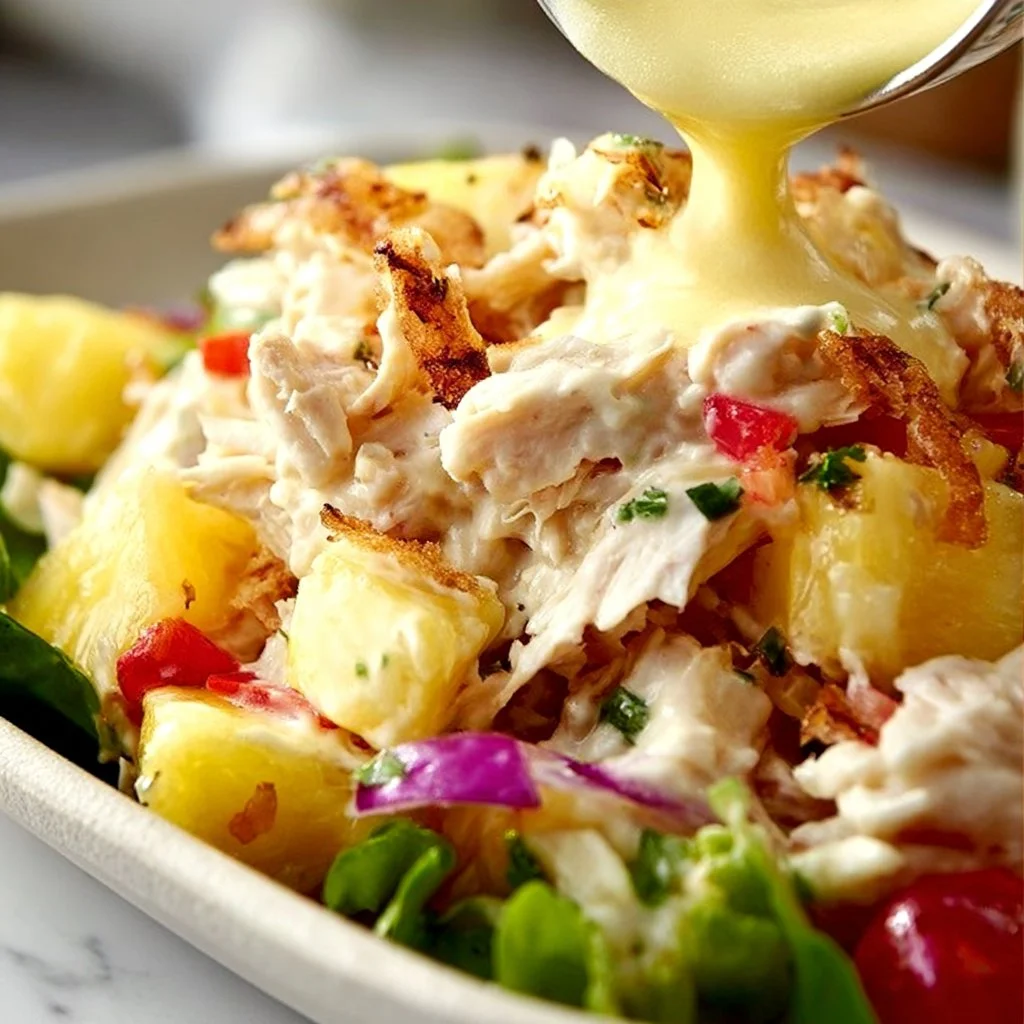
Pina Colada Chicken Salad
# Pina Colada Chicken Salad: A Tropical Delight in Every Bite!

## Introduction

Hey there, food lovers! 🌴 Beau Collier here, and today, we're diving into a dish that’s as bright and cheerful as a sunny beach day—the **Pina Colada Chicken Salad**. Imagine the sweet aroma of fresh pineapple wafting through your kitchen, merging with the tropical vibes of coconut and lime. This salad isn't just a meal; it’s an experience, transporting you to a palm-fringed paradise with each delicious bite.

Cooking should always be an adventure, and I find that the best dishes come from a place of joy and creativity. This Pina Colada Chicken Salad is no exception; it's packed with flavors that are sweet, savory, and oh-so-refreshing! Whether you're hosting a summer barbecue, planning a picnic, or simply treating yourself on a lazy Sunday, this salad promises to be a crowd-pleaser. Plus, it's perfect for those hot days when you want something light yet satisfying. So grab your apron, and let's create a delectable dish that'll have everyone asking for seconds!

Making a meal like this brings me right back to sharing laughter and stories with friends at backyard gatherings, with the sun shining down and good vibes all around. There's just something about tropical flavors that makes any dish instantly feel like a celebration.

Ready to shake things up in your kitchen? Let’s get crackin’ on this easy, feel-good recipe!

## Personal Story

I’ve always had a special place in my heart for the flavors of the tropics, thanks to a memorable summer spent in Hawaii. One night, my friends and I gathered for a beach cookout, complete with fresh catch, grilled veggies, and relentless laughter. A friend brought along a twist on classic chicken salad, reflecting his island roots, and it blew me away! As I sat on the warm sand, savoring that juicy chicken tossed with tangy pineapple and crunchy macadamia nuts, I knew I had to recreate it at home.

Fast forward a few years later, and here I was, at my own backyard barbecue, reminiscing about that unforgettable trip. The seed of this Pina Colada Chicken Salad was planted right there. I wanted to capture that spirit of fun and flavor for my friends and family. Enter: my take on the dish, blending zesty lime, creamy coconut, and a medley of textures. Every time I whip up this salad, I’m reminded of the sweet taste of friendship, warmth, and all those golden sunsets by the sea. 🌅

## Ingredients

- **2 boneless, skinless chicken breasts**
  Perfect for grilling or poaching—this is the protein star of our dish! You can swap it out for turkey breast or even tofu for a vegetarian twist.

- **1 cup shredded coconut**
  Sweetened or unsweetened, this coconut provides a delicious tropical flavor and a bit of texture. If you're not a coconut fan, feel free to skip it or substitute with sliced almonds for crunch!

- **1 cup fresh pineapple, diced**
  The juicy sweetness of fresh pineapple is crucial here. You can use canned pineapple (just drain it well), but the flavor won't be quite as vibrant.

- **1/2 cup macadamia nuts, chopped**
  These nuts add a buttery richness that complements the tropical theme. If macadamia nuts are hard to find, pecans or cashews make tasty substitutes.

- **4 cups mixed greens**
  A blend of your favorite greens—think spinach, arugula, or romaine—keeps it fresh and vibrant! You can also use cabbage for a crunchier base.

- **1/2 cup mayonnaise**
  This adds creaminess to the salad. If you want a lighter version, Greek yogurt works great here, or try a vegan mayo!

- **1/4 cup coconut cream**
  For that rich, tropical flair! You can use plain cream cheese as a replacement if you're looking for a different kind of creaminess.

- **2 tablespoons lime juice**
  A bright zesty kick! You can swap lime juice for lemon juice if that’s what you have on hand.

- **Salt and pepper to taste**
  Essential seasonings to bring everything together. Don’t be shy—season to your preference!

## Step-by-Step Instructions

##### Step 1: Prepare the Chicken
Start by cooking your chicken breasts. You can either grill, poach, or sauté them. For grilling, preheat your grill to medium-high. For poaching, fill a pot with water and bring it to a simmer. No matter which method you choose, season your chicken breasts with salt and pepper before cooking. Cook until they reach an internal temperature of 165°F (about 6-8 minutes per side on the grill or 15-20 minutes in simmering water).

**Chef Tip:** For added flavor, marinate your chicken in lime juice and some spices (like garlic powder or chili powder) for about 30 minutes before cooking. It’ll infuse your chicken with a delightful kick!

##### Step 2: Let the Chicken Cool
Once your chicken is cooked, let it rest for a few minutes before shredding it. This keeps the meat juicy and tender.

**Chef Hack:** If you're in a hurry, you can use a store-bought rotisserie chicken as a shortcut. Just shred the meat and you’re good to go!

##### Step 3: Chop Up the Pineapple and Nuts
While the chicken is cooling, dice your pineapple into bite-sized pieces and chop the macadamia nuts.

**Tip:** Use fresh pineapple for the best flavor. If it’s not in season, you can use canned, but make sure you’re using the pineapple in juice—not syrup—to keep it a bit healthier!

##### Step 4: Mix Your Base
In a large mixing bowl, combine the shredded coconut, fresh pineapple, chopped macadamia nuts, and mixed greens.

**Chef Insight:** Vary the greens according to what’s fresh at the market or what you have on hand—this keeps it interesting every time you make it!

##### Step 5: Whisk Those Dressings Together
In a separate bowl, whisk together the mayonnaise, coconut cream, lime juice, and add a pinch of salt and pepper. Whisk until you have a smooth dressing that’s ready to bring everything together.

**Tip:** Feel free to taste your dressing and adjust the lime juice or seasoning according to your liking!

##### Step 6: Combine Everything
Once the chicken has cooled, shred it using two forks and add it to your bowl of mixed greens. Drizzle your creamy dressing over everything and gently toss to combine, making sure each bite is coated in that luscious goodness.

**Chef Tip:** If you prefer a creamier salad, feel free to add more mayonnaise or coconut cream until you get your desired consistency.

##### Step 7: Serve (or Devour!)
Serve immediately for the freshest flavors. Trust me; while it’s delicious anytime, it truly shines bright after a brief chill in the fridge—just enough time for those flavors to mingle!

## Serving Suggestions

Now that your Pina Colada Chicken Salad is ready to go, it’s time to plate it up! For a beautiful presentation, consider using a large serving bowl or individual plates. You can nestle the mixed greens at the bottom and generously pile the chicken and dressing mixture on top.

For an extra magical touch, garnish with a few extra macadamia nuts, shredded coconut, and a wedges of lime on the side. You could also serve this salad in hollowed-out pineapple halves for a showstopping summer treat!

Pair this dish with some crispy tortilla chips for added crunch or some tangy lime wedges for that perfect zing. And don’t forget the refreshing iced tea or coconut water to wash it down!

## Recipe Variations

Get creative in your kitchen! Here are a few variations you can try to switch things up:

1. **Tropical Fruit Salad**: Add diced mango or papaya for a different flavor profile! Both fruits can complement the coconut and pineapple beautifully.

2. **Grilled Shrimp Version**: Toss in some grilled shrimp instead of chicken for a seafood twist. Just season and cook the shrimp in the same way as you would the chicken!

3. **Vegan Delight**: Swap the chicken for chickpeas or shredded jackfruit for a plant-based twist, and use a vegan mayo to keep things creamy without the eggs.

4. **Spicy Kick**: Add some diced jalapeños or a sprinkle of cayenne pepper to the dressing for a spicy version!

5. **Salad Wraps**: Instead of serving it in a bowl, spoon the salad into large lettuce leaves for a fun and refreshing wrap! Perfect for a picnic or a casual lunch.

## Chef’s Notes

When I first created this recipe, it was a trial and error moment—balancing the flavors was key! I remember one night mixing the dressing and thinking it needed “something.” A splash more lime, maybe? A touch of honey for sweetness? Turns out, there’s magic in experimenting. That's what cooking is all about, right? Finding that balance of flavors that feels just right!

And every time someone asks about the unique twist in my salad, I can't help but smile, because it’s a conversation starter—a way to share that adventurous spirit of delicious food with everyone around me.

## FAQs and Troubleshooting

**1. What can I do if my salad is too dry?**
If you find that your salad lacks moisture, simply add a bit more coconut cream or mayonnaise to the dressing. Mix it well and see if that helps!

**2. How long can I store this salad?**
While it’s best enjoyed fresh, you can store it in an airtight container in the fridge for up to 1-2 days. Keep the dressing separate if possible to maintain crispness!

**3. Can I substitute the greens?**
Absolutely! Feel free to incorporate your favorite salad greens or even use coleslaw mix for a different texture.

**4. What if I have allergies?**
If you are allergic to nuts, you can omit the macadamia nuts or replace them with pumpkin seeds for crunch. Just keep an eye out for other allergenic ingredients when you're shopping!

## Nutritional Info (if applicable)

This delightful Pina Colada Chicken Salad is packed with nutrients! Each serving contains approximately:

- Calories: 350
- Protein: 28g (thanks to those chicken breasts)
- Carbohydrates: 22g
- Fat: 20g (mostly from the coconut and nuts)
- Fiber: 3g

This isn’t just a tasty dish; it’s got a solid balance of protein, carbs, and healthy fats. Plus, that fresh fruit will give you a boost of vitamins and antioxidants.

## Final Thoughts

As we wrap up this tropical journey together, I hope you’re feeling inspired to whip up your very own Pina Colada Chicken Salad. Remember, cooking is all about joy, connection, and a little bit of magic. Share your creations with friends and family, and relish the laughter and good times that follow.

So, until our next flavor-packed culinary adventure, keep experimenting, keep tasting, and stay hungry for new experiences! 🌺 Let’s make every meal a feast to remember!
Pina Colada Chicken Salad
- Total Time: 40 minutes
- Yield: 4 servings 1x
- Diet: Gluten-Free
Description
A refreshing chicken salad bursting with tropical flavors of pineapple and coconut, perfect for summer gatherings.
Ingredients
- 2 boneless, skinless chicken breasts
- 1 cup shredded coconut
- 1 cup fresh pineapple, diced
- 1/2 cup macadamia nuts, chopped
- 4 cups mixed greens
- 1/2 cup mayonnaise
- 1/4 cup coconut cream
- 2 tablespoons lime juice
- Salt and pepper to taste
Instructions
- Prepare the chicken by grilling, poaching, or sautéing until cooked through.
- Let the chicken cool, then shred it.
- Chop the pineapple and macadamia nuts.
- Mix the coconut, pineapple, nuts, and greens in a bowl.
- Whisk together mayonnaise, coconut cream, lime juice, salt, and pepper in another bowl.
- Combine shredded chicken with greens and pour dressing over. Toss gently.
- Serve immediately or chill for enhanced flavors.
Notes
For a lighter version, substitute Greek yogurt for mayonnaise. Store leftovers in an airtight container for 1-2 days, keeping dressing separate if possible.
- Prep Time: 20 minutes
- Cook Time: 20 minutes
- Category: Salads
- Method: Mixing
- Cuisine: Tropical
Nutrition
- Serving Size: 1 serving
- Calories: 350
- Sugar: 8g
- Sodium: 400mg
- Fat: 20g
- Saturated Fat: 10g
- Unsaturated Fat: 10g
- Trans Fat: 0g
- Carbohydrates: 22g
- Fiber: 3g
- Protein: 28g
- Cholesterol: 70mg
Keywords: chicken salad, tropical salad, summer recipe, healthy salad, pineapple salad
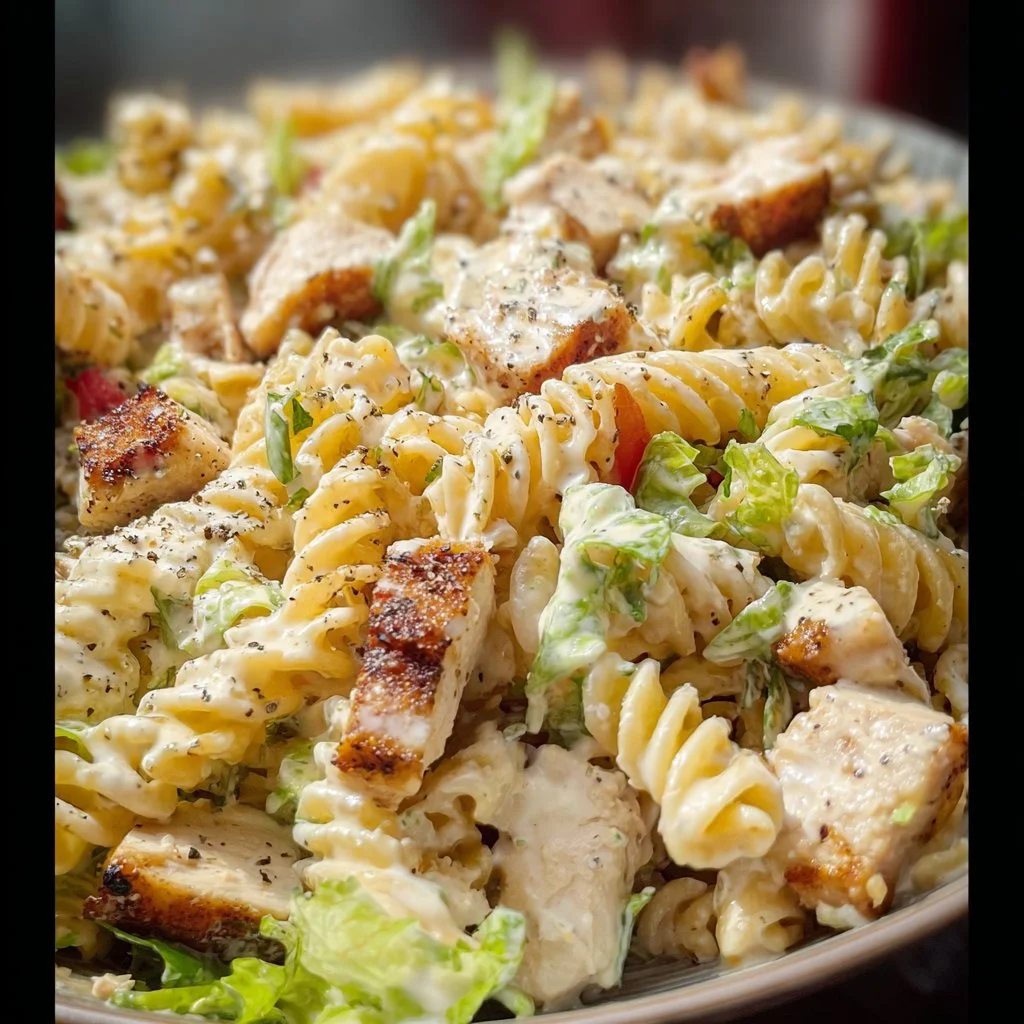
Creamy Chicken Caesar Pasta Salad
Creamy Chicken Caesar Pasta Salad: A Heartwarming Dish for Food Lovers
Welcome back to Feastical, friends! Today, we’re diving into a dish that beautifully marries the worlds of pasta salads and classic Caesar salads into a creamy, dreamy creation that’s sure to become a favorite at your table. Introducing the Creamy Chicken Caesar Pasta Salad—a dish that brings all the zing and comfort of a classic Caesar salad, with the added heartiness of pasta and tender, juicy chicken.
As food lovers, we know that a great meal is not just about flavor but also about the memories and stories we create around it. So grab your apron, pour yourself a refreshing drink, and let’s whip up something magical together!
A Wholesome Memory: Chicken Caesar on the Table
Let me take you back to my childhood. Picture it: summer evenings at my grandmother’s house. The sun was setting, golden rays illuminating her backyard garden, filled with ripe tomatoes and fragrant basil. Grandma would often whip up her famous Chicken Caesar salad—grilled chicken, crisp romaine, and her homemade Caesar dressing. But it was that secret twist she added, a creamy element that made it unforgettable.
It was on one of those balmy evenings when she decided to mix in some leftover pasta. “Why not?” she said with a wink. “It’ll make it heartier for all your hungry cousins.” The result was a sensational dish that had us all clamoring for seconds and thirds. We sat around the table, sharing laughter, stories, and, of course, the delectable salad. That evening crystallized my love for food—a love that blends comfort, creativity, and a dash of nostalgia. Today, I’m excited to bring that magic to your kitchen with this Creamy Chicken Caesar Pasta Salad!
Ingredients
Here’s what you’ll need to create this delightful dish. Each ingredient is essential, but don’t hesitate to get creative!
-
2 cups cooked pasta: Any shape will do! I love a good rotini or penne for this dish since the nooks and crannies catch the dressing perfectly. If you’re gluten-free, swap it out for your favorite gluten-free pasta.
-
1 cup cooked chicken, diced: Grilled, rotisserie, or leftover from last night’s dinner—all options are fabulous. If you’re looking to mix things up, consider using turkey or even chickpeas for a vegetarian twist.
-
2 cups romaine lettuce, chopped: The crunch factor! If romaine isn’t your jam, feel free to use kale, spinach, or even arugula for a peppery kick.
-
1 cup croutons: These are essential for that delightful crunch! If you’re short on time, you can buy pre-made ones or toss some bread cubes in olive oil and toast them in the oven for a homemade touch.
-
1/2 cup Caesar dressing: Now, here’s where you can let your inner chef shine. Homemade or store-bought, go for quality! For a lighter version, try a yogurt-based Caesar dressing.
-
Parmesan cheese, for garnish: Always a winner! If you’re dairy-free, nutritional yeast can give you that cheesy flavor without the milk. It’s a game-changer!
-
Salt and pepper, to taste: Don’t skimp on seasoning—this is where you elevate your dish!
Step-by-Step Instructions
Alright, enough with the ingredients—let’s get to the good stuff! Here’s how to whip up this delicious pasta salad.
1. Cook the Pasta
Start by boiling a pot of salted water. Add your pasta and cook according to package instructions until al dente. Here’s a tip: adding a pinch of salt to the water helps enhance the pasta’s flavor right from the start. When ready, drain and rinse under cold water to stop the cooking process. This ensures your pasta stays firm and holds up in the salad.
2. Prepare the Chicken
If you’re using leftover chicken, great! If not, it’s time to cook that poultry. Season your chicken breast with salt and pepper and grill or pan-sear until cooked through and golden brown. Let it rest for a few minutes before dicing it into bite-sized pieces. This extra step keeps the juices locked in—nobody wants dry chicken in their salad!
3. Toss the Ingredients
In a large bowl, combine the cooked pasta, diced chicken, and chopped romaine lettuce. Now comes the fun part: pour in that creamy Caesar dressing! Use a big spoon or spatula to gently toss everything together until evenly coated. This is where you can taste test. If it’s not saucy enough, add a splash more of your dressing or even a tiny bit of pasta water to loosen it up.
4. Add Croutons and Cheese
Right before serving, fold in the croutons—this keeps them crunchy! And sprinkle that glorious Parmesan on top. If you’re feeling fancy, you could shave the Parmesan instead of grating it. Presentation matters!
5. Season to Perfection
Finally, taste your pasta salad one last time! Add salt and pepper as needed. The right seasoning can elevate your dish from good to incredible!
Serving Suggestions
Serving this Creamy Chicken Caesar Pasta Salad can be as relaxed or as fancy as your mood dictates. For a laid-back dinner, just serve it straight in a big bowl and let everyone dive in. But if you’re looking to impress, consider plating portions in individual bowls or on a colorful salad plate. For added flair, garnish with extra Parmesan and a sprinkle of freshly cracked black pepper. A lemon wedge on the side adds a zesty touch and a pop of color.
If you’re serving this salad at a picnic or potluck, you can also layer the ingredients in a jar—for that Instagram-worthy aesthetic. Just remember to keep the dressing separate until you’re ready to eat to maintain that perfect crunch!
Recipe Variations
Here are a few fun twists on the classic recipe to keep things interesting:
-
Mediterranean Flair: Swap out the chicken for grilled shrimp or chickpeas and toss in cherry tomatoes, cucumbers, and feta cheese for a Mediterranean-inspired dish.
-
Spicy Kick: Add some diced jalapeños or a splash of hot sauce to the dressing for a spicy version.
-
Italian Twist: Mix in some sun-dried tomatoes and basil for a fresh take, pairing beautifully with the Caesar dressing.
-
Veggie Delight: Load up on veggies! Toss in bell peppers, carrots, or even roasted zucchini to bulk it up and add a rainbow of colors.
-
Fruit Fusion: For a sweet surprise, throw in some sliced strawberries or grapes. The sweet and savory contrast is simply delightful!
Chef’s Notes
This recipe has come a long way since those summer evenings at Grandma’s house! I’ve played around with various dressing recipes, pasta shapes, and chicken options over the years. One time, I even made a version with pesto instead of Caesar dressing—it was a hit!
Remember, cooking is all about personal touches. Don’t hesitate to make this recipe yours. Whether it’s adding a family secret ingredient or adjusting the flavor to your liking, let your creativity shine!
FAQs and Troubleshooting
Q: Can I make this pasta salad in advance?
A: Absolutely! You can prepare the salad a day ahead of time. Just store the salad in the fridge, and keep the croutons on the side until you serve it for the best crunch.
Q: What if my pasta is mushy?
A: Overcooked pasta can’t be saved, but it’s crucial to cook it al dente. If that happens, consider pureeing it with some sauce to make a creamy pasta spread instead!
Q: Can I freeze this salad?
A: Not recommended! The dressing will separate, and the lettuce will wilt. It’s best enjoyed fresh.
Q: What dressing works best?
A: Homemade Caesar dressing is fantastic, but if you’re in a pinch, high-quality store-bought dressings work like a charm!
Nutritional Info
This Creamy Chicken Caesar Pasta Salad offers a balanced meal with hearty proteins, veggies, and carbs. Here’s a rough breakdown per serving:
- Calories: Approximately 450
- Protein: 30g
- Carbohydrates: 40g
- Fat: 20g
- Fiber: 3g
Keep in mind that the nutritional information can vary based on your specific ingredients and portion sizes.
Final Thoughts
Cooking is not just about following recipes; it’s about creating experiences and sharing moments with those you love. I hope this Creamy Chicken Caesar Pasta Salad becomes a staple in your kitchen, just as it is in mine. So roll up your sleeves, grab those ingredients, and enjoy the scents and flavors that come alive as you cook.
I can’t wait to hear how your creation turns out! Share your stories, versions, or any tips you discover along the way with us here at Feastical. And remember, wherever you are, good food makes your heart feel right at home. Happy cooking! 🍽️❤️
Print
Creamy Chicken Caesar Pasta Salad
- Total Time: 25 minutes
- Yield: 4 servings 1x
- Diet: None
Description
A delightful marriage of classic Caesar salad and hearty pasta salad, this Creamy Chicken Caesar Pasta Salad brings a touch of nostalgia and comfort to your table.
Ingredients
- 2 cups cooked pasta (any shape, rotini or penne recommended)
- 1 cup cooked chicken, diced (grilled, rotisserie, or leftover)
- 2 cups romaine lettuce, chopped
- 1 cup croutons
- 1/2 cup Caesar dressing (homemade or store-bought)
- Parmesan cheese, for garnish
- Salt and pepper, to taste
Instructions
- Cook the Pasta: Boil salted water, add pasta, and cook until al dente. Drain and rinse under cold water.
- Prepare the Chicken: Season and cook chicken until golden brown. Let rest, then dice.
- Toss the Ingredients: In a bowl, combine pasta, chicken, and romaine; add Caesar dressing and toss.
- Add Croutons and Cheese: Fold in croutons and sprinkle with Parmesan just before serving.
- Season to Perfection: Taste and adjust salt and pepper as needed.
Notes
For a Mediterranean twist, swap chicken for shrimp or chickpeas. Keep croutons separate until serving for maximum crunch.
- Prep Time: 15 minutes
- Cook Time: 10 minutes
- Category: Salad
- Method: Mixing
- Cuisine: American
Nutrition
- Serving Size: 1 serving
- Calories: 450
- Sugar: 3g
- Sodium: 600mg
- Fat: 20g
- Saturated Fat: 6g
- Unsaturated Fat: 10g
- Trans Fat: 0g
- Carbohydrates: 40g
- Fiber: 3g
- Protein: 30g
- Cholesterol: 75mg
Keywords: pasta salad, chicken salad, Caesar salad, creamy pasta, summer salad
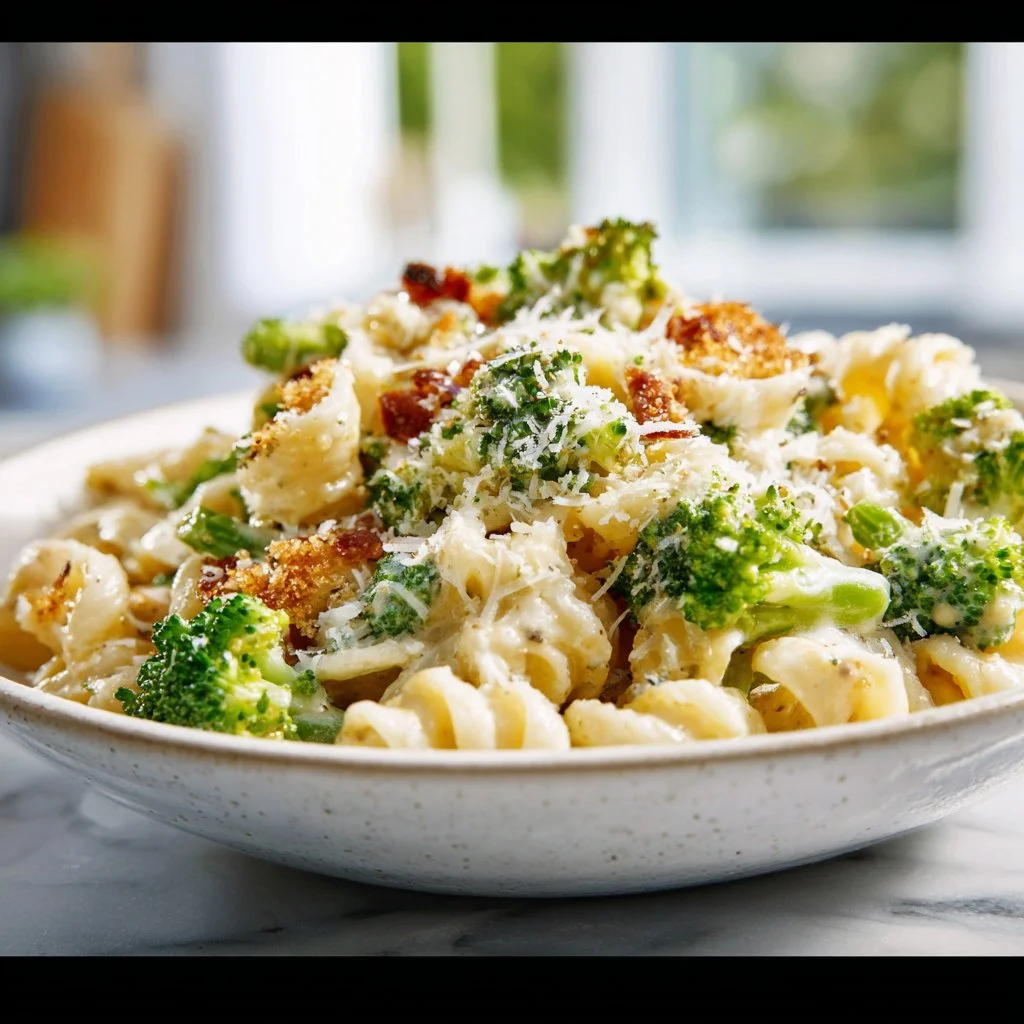
Broccoli Caesar Pasta Salad: A Fresh, Hearty Twist on a Classic
Broccoli Caesar Pasta Salad: A Fresh, Hearty Twist on a Classic
Hey Foodies! 🌟 Are you ready to dive into a delicious bowl of goodness that’s both hearty and light on your palate? Today, I’m excited to share with you a recipe that’s been a beloved staple in my kitchen for years: Broccoli Caesar Pasta Salad! I mean, let’s be honest—who doesn’t love pasta and broccoli married together with a tangy Caesar dressing? This vibrant dish not only takes the classic Caesar salad up a notch, but it also adds a rustic twist that will have everyone coming back for seconds (or thirds!).
I still remember the first time I made this concoction. I had a few friends over for a casual dinner party, and I was fumbling through my fridge to see what I could whip up. A bag of short pasta was hiding in the back, some broccoli florets were on the verge of wilting, and I stumbled upon the remnants of a Caesar dressing from a previous meal. With all those ingredients at my disposal, I thought, “Why not throw them together?” Little did I know that this impromptu dish would become a go-to favorite among my friends, and even make its way into my regular meal rotation.
As you dish up this Broccoli Caesar Pasta Salad, get ready to bask in a medley of flavors, colors, and textures. It’s a vibrant, feel-good meal that can serve as a hearty lunch, a delightful side for your evening barbecue, or even a light dinner on those warm summer nights. Plus, it’s super easy to make—trust me, anyone can pull this off in their kitchen! So grab your apron, crank up some tunes, and let’s get cooking!
Personal Story
Let me take you back to one of those perfect summer evenings a few years ago. I had just come home from a bustling farmers’ market, my bags filled with the freshest produce imaginable. In my mind, the possibilities were endless! I remember setting up a long table on my patio, stringing fairy lights overhead, and welcoming my closest friends over for a casual al fresco dinner. The sun was beginning to set, casting a magical glow over us as we gathered around.
As laughter and good-natured banter filled the air, I decided to try out my new creation—the Broccoli Caesar Pasta Salad. I had whipped it up in a hurry, mixing the short pasta with those vibrant green broccoli florets and drenching everything in that zesty Caesar dressing. To my surprise, my friends went gaga over it. One friend even dubbed it "table magic"! Who could blame him? The creamy dressing combined with the crunch of the broccoli and the pasta’s comforting chewiness was like a party in every bite!
The best part? It became a shared recipe; I’ve watched my friends take it home and recreate it—adding their individual twists, of course. It’s the spirit of togetherness and the joy of sharing that makes cooking so special, and this dish embodies that perfectly.
Ingredients
Here’s what you’ll need to create your very own Broccoli Caesar Pasta Salad:
-
8 oz (about 2½ cups) short pasta (rotini, penne, or bow tie)
- Chef Insight: Short pasta shapes hold onto the dressing and other ingredients perfectly. Are you gluten-free? Try a chickpea or lentil-based pasta for a protein-packed alternative!
-
4 cups broccoli florets, cut small
- Substitution Tip: Fresh is best, but you can absolutely use frozen broccoli. Just make sure to thaw and drain it well!
-
1½ cups cherry tomatoes, halved
- Quick Chef Insight: Cherry tomatoes add both color and sweetness. You can swap them for grape tomatoes or even diced bell peppers for that added crunch!
-
½ red onion, thinly sliced
- Flavor Boost: Don’t worry if you’re not a big onion fan; you can substitute it with green onions or shallots for a milder taste.
-
¼ cup grated Parmesan cheese
- Substitution Tip: If you want to make it vegan, nutritional yeast can give you that cheesy flavor without the dairy!
-
Optional: 1½ cups cooked chicken breast or grilled steak, thinly sliced
- Chef Insight: This is perfect if you want to add some protein. For a vegetarian twist, try chickpeas or roasted tofu instead!
-
Salt, to taste
- Tip: Season lightly as you build flavors; you can add more at the end if needed.
-
Freshly ground black pepper, to taste
- Tip: Freshly grinding pepper makes all the difference—don’t skip this step!
-
½ cup mayonnaise
- Tip: For a lighter dressing, you can use Greek yogurt or even a vegan mayo!
-
¼ cup Greek yogurt or sour cream
- Quick Chef Insight: Yogurt adds a tangy creaminess to the salad. If you’d prefer something lighter, substitute it with a dairy-free option.
-
2 tablespoons fresh lemon juice
- Chef’s Choice: A splash of lemon brightens up flavors. Always fresh, if possible! Try lime for a zingy twist.
-
1 tablespoon Dijon mustard
- Substitution Tip: If Dijon is not on hand, yellow mustard can work in a pinch for a milder flavor.
-
2 teaspoons Worcestershire sauce
- Flavor Tip: While Worcestershire sauce adds a depth to your dressing, vegan versions are available if you prefer going plant-based!
-
1 teaspoon garlic paste or finely minced garlic
- Tip: To save time on chopping, garlic paste works wonders but fresh is always the way to go!
-
1–2 tablespoons water (to thin dressing, if needed)
- Chef Hack: This is a great way to adjust the consistency of your dressing without sacrificing flavor.
Step-by-Step Instructions
Ready to bring this Broccoli Caesar Pasta Salad to life? Let’s get cooking!
-
Cook Your Pasta:
- Start by bringing a large pot of salted water to a rolling boil. Add the short pasta of your choice and cook according to package instructions until al dente (typically around 8-10 minutes). Chef Hack: Be sure to reserve some pasta water before draining; it can be a lifesaver for adjusting the dressing later!
-
Prepare the Broccoli:
- While the pasta is cooking, bring a small pot of water to a boil. Add your broccoli florets and let them steam for about 2-3 minutes, just until they’re bright green and crisp-tender. Chef Insight: You can also blanch them in the pasta water during the last minute of cooking, saving you time and dishes!
-
Drain and Cool:
- Drain the pasta and broccoli, then rinse them under cold water to stop the cooking process and keep that lovely green color vibrant. Allow them to cool in a colander while you prep the rest of the salad.
-
Make the Dressing:
- In a large mixing bowl, combine the mayonnaise, Greek yogurt (or sour cream), lemon juice, Dijon mustard, Worcestershire sauce, and minced garlic. Whisk everything together until it’s smooth and creamy. Tip: If your dressing looks too thick, gradually add a bit of reserved pasta water to loosen it up to your desired consistency!
-
Bring It All Together:
- In the same mixing bowl, add the cooled pasta and broccoli, cherry tomatoes, red onion slices, and cooked chicken (if you’re using it). Give everything a gentle toss, ensuring that each piece is cozily coated in that creamy dressing.
-
Season to Perfection:
- Sprinkle in the grated Parmesan cheese, and generously season with salt and freshly ground black pepper. Toss again to combine all those flavors! Chef Pro Tip: Always taste and adjust; a hint more salt or pepper can really elevate the dish!
-
Chill and Serve:
- For the best flavor, let your Broccoli Caesar Pasta Salad chill in the refrigerator for about 30 minutes before serving. This allows all those flavors to meld beautifully!
Serving Suggestions
Now that your Broccoli Caesar Pasta Salad is ready, let’s plate it up! This salad is so versatile and looks stunning as a centerpiece on any table. Here are a few serving suggestions to elevate your presentation:
-
On a Rustic Plate: Serve the salad in a wide bowl, garnished with extra cherry tomatoes, a sprinkle of Parmesan, and perhaps a few lemon wedges on the side.
-
Individual Portions: For a more formal setting, serve in small mason jars or individual bowls. This makes it easy for guests to serve themselves and adds a cute, rustic charm!
-
With Toasted Croutons: For an added crunch, top the salad with toasted croutons right before serving. They’ll soak up some dressing and give a delightful texture contrast!
-
Drizzle of Dressing: Consider drizzling a bit more of your homemade dressing on top right before serving—it adds a bit more creaminess and looks gorgeous!
Recipe Variations
Let’s get creative with this recipe! Here are some variations and tweaks you can try to keep things exciting:
-
Veggie Boost: Add roasted red peppers, artichoke hearts, or even sliced cucumbers for extra freshness and color.
-
Protein Swap: Swap out the chicken or beef for chickpeas, black beans, or even grilled shrimp for a seafood twist!
-
Pasta Shape Change: Experiment with different types of pasta like fusilli or orzo for a fun spin on texture.
-
Add Nuts: For some crunch, sprinkle pine nuts or toasted walnuts on top!
-
Herb Infusion: Fresh herbs like basil, parsley, or even dill can add a unique flavor profile. Throw in some chopped fresh herbs!
Chef’s Notes
I just love how this Broccoli Caesar Pasta Salad has evolved over time. Initially, it was all about using up what I had on hand, but it quickly outgrew its humble beginnings to become a versatile dish suited for any occasion. Today, you’ll find me making it for lunch meal preps, cookouts, backyard barbecues, or when I just want something healthy yet comforting.
Oh, one more thing: Don’t be surprised if you find yourself standing in front of the fridge, sneaking bits straight from the bowl—trust me, it’s hard to resist! 😂
FAQs and Troubleshooting
Q1: How long can I keep this salad in the fridge?
Chef Tip: Ideally, you should consume it within 3-5 days. The flavors will get even better as it sits, but just be cautious of any sogginess in the veggies.
Q2: Can I make this salad vegan?
Absolutely! Just swap out the mayo for a vegan version, use plant-based yogurt, and skip the chicken. Nutritional yeast can give you that cheesy flavor!
Q3: What if my dressing is too thick?
No worries! Just add a splash of water, or extra lemon juice to loosen it up to your desired consistency.
Q4: Is this salad good for meal prep?
Oh yes! It’s perfect for meal prep. Just keep the dressing separate until you’re ready to serve to keep everything fresh and crisp!
Nutritional Info
While I’m not a nutritionist, I like to think of this Broccoli Caesar Pasta Salad as a balanced dish packed with goodness. Here’s a quick breakdown of the components:
- Short pasta: Great source of carbohydrates for energy.
- Broccoli: Loaded with vitamins K and C, fiber, and tons of antioxidants.
- Cherry tomatoes: Full of vitamin C and lycopene, great for heart health.
- Chickpeas or chicken (if added): Excellent sources of protein to keep you full and satisfied.
- Greek yogurt: Adds creaminess with added protein, probiotics for gut health.
Just be mindful of the portion sizes and added dressings if you’re keeping track of calories!
Final Thoughts
And there you have it—your delightful Broccoli Caesar Pasta Salad, a dish that’s sure to become a favorite in your household! It’s one of those recipes that impresses without the need for culinary expertise—perfect for cozy dinners, potlucks, or simply enjoying with loved ones on your patio.
Cooking is about heart, and this salad embodies the warmth of bringing people together over a shared meal. So as you whip up this vibrant dish, know that you’re not just putting food on the table; you’re creating memories and love-filled moments!
Now, go on, give this Broccoli Caesar Pasta Salad a try, and let me know how it turns out. I can’t wait to hear your stories! Bon appétit! 🍽️✨
Print
Broccoli Caesar Pasta Salad
- Total Time: 45 minutes
- Yield: 4 servings 1x
- Diet: Vegetarian
Description
A fresh and hearty twist on a classic Caesar salad with pasta and broccoli, featuring a creamy dressing.
Ingredients
- 8 oz (about 2½ cups) short pasta (rotini, penne, or bow tie)
- 4 cups broccoli florets, cut small
- 1½ cups cherry tomatoes, halved
- ½ red onion, thinly sliced
- ¼ cup grated Parmesan cheese
- Optional: 1½ cups cooked chicken breast or grilled steak, thinly sliced
- Salt, to taste
- Freshly ground black pepper, to taste
- ½ cup mayonnaise
- ¼ cup Greek yogurt or sour cream
- 2 tablespoons fresh lemon juice
- 1 tablespoon Dijon mustard
- 2 teaspoons Worcestershire sauce
- 1 teaspoon garlic paste or finely minced garlic
- 1–2 tablespoons water (to thin dressing, if needed)
Instructions
- Cook your pasta by bringing a large pot of salted water to a rolling boil. Add the short pasta and cook until al dente (about 8-10 minutes).
- Prepare the broccoli by steaming it in boiling water for about 2-3 minutes until bright green and crisp-tender.
- Drain the pasta and broccoli, then rinse under cold water to stop cooking and cool them down.
- Make the dressing by combining mayonnaise, Greek yogurt, lemon juice, Dijon mustard, Worcestershire sauce, and minced garlic in a large bowl; whisk until smooth.
- Add the cooled pasta, broccoli, cherry tomatoes, red onion, and chicken (if using) to the dressing. Toss gently to coat.
- Season with grated Parmesan cheese, salt, and freshly ground black pepper. Toss again to combine.
- Chill the salad in the refrigerator for about 30 minutes before serving to allow flavors to meld.
Notes
This salad can be meal-prepped. Just keep the dressing separate until you’re ready to serve.
- Prep Time: 15 minutes
- Cook Time: 10 minutes
- Category: Salad
- Method: Mixing
- Cuisine: American
Nutrition
- Serving Size: 1 serving
- Calories: 400
- Sugar: 7g
- Sodium: 450mg
- Fat: 20g
- Saturated Fat: 4g
- Unsaturated Fat: 14g
- Trans Fat: 0g
- Carbohydrates: 45g
- Fiber: 5g
- Protein: 14g
- Cholesterol: 50mg
Keywords: pasta salad, Caesar salad, vegetarian recipes, broccoli salad
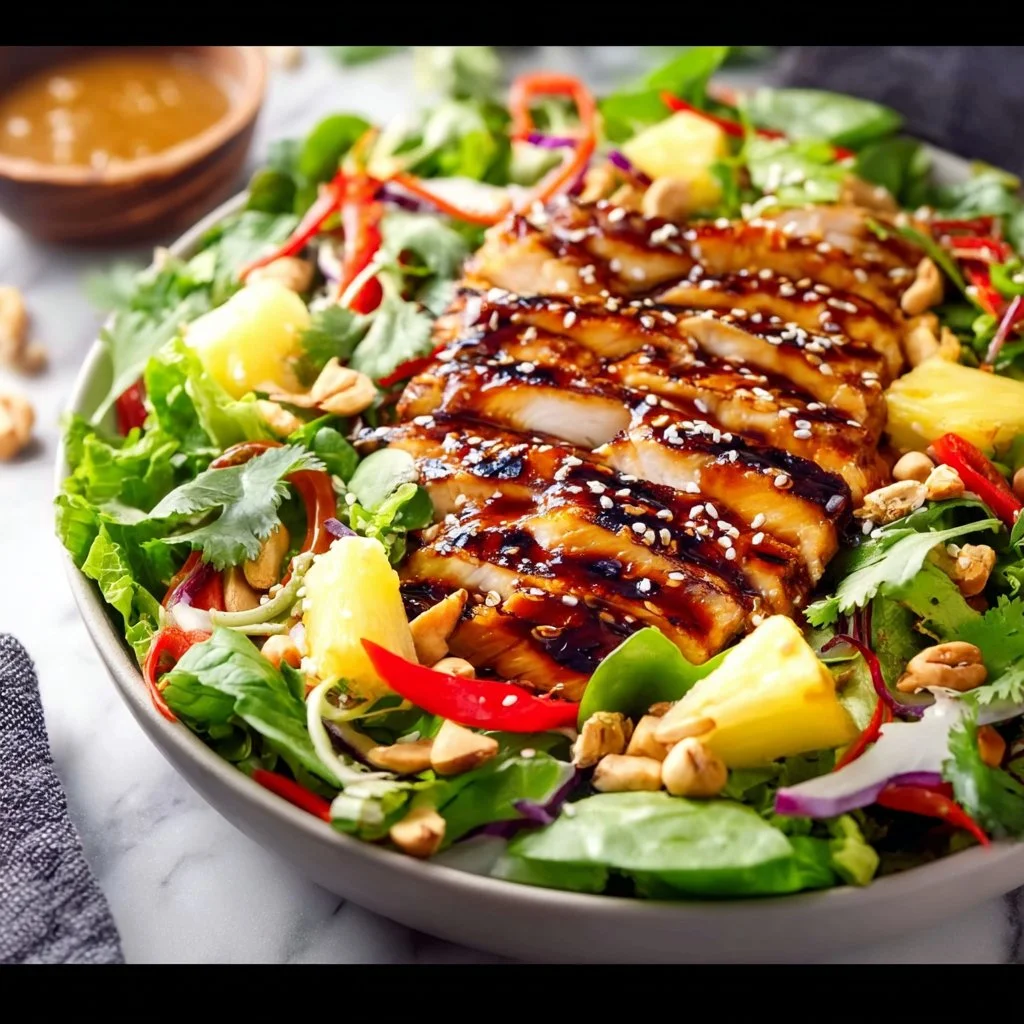
Teriyaki Chicken Salad with Pineapple Sesame Dressing
Teriyaki Chicken Salad with Pineapple Sesame Dressing: A Flavorful Fusion!
Hey there, food lovers! Welcome back to Feastical, where we’re all about comfort food with a twist. Today, I’m super excited to share one of my all-time favorite dishes—Teriyaki Chicken Salad with Pineapple Sesame Dressing. 🍍🥗 This dish is more than just a salad; it’s a burst of flavor and a beautiful medley of textures, not to mention, it ticks all the boxes for being a light, refreshing meal that can be whipped up in no time!
Picture this: You’ve just returned from a sun-soaked day at the park, the kind where we all know the warmth of sunshine just fuels our cravings for cool, wholesome dishes. What do you reach for? A big ol’ bowl of this vibrant salad! Juicy, shredded chicken tossed with crisp salad greens, crunchy veggies, and sweet pineapple—all drizzled in a tantalizing sesame dressing that sings of summer. Sounds irresistible, right?
I love this dish because it’s versatile enough for a quick lunch or part of a dazzling dinner spread. It brings together those sweet and savory flavors like your favorite summer BBQ but in a lighter form. Plus, if you’re ever in need of a meal prep superstar, this salad fits the bill! So, roll up your sleeves, and let’s dive into the world of crispy, thrilling bites. Your taste buds are in for a delightful ride!
Personal Story
Ah, reminiscing about my childhood always brings me back to my grandmother’s kitchen. She was an incredible cook who had a knack for transforming simple, everyday ingredients into unforgettable meals that wrapped you in warmth. One of my favorite memories is when she introduced me to teriyaki chicken.
During summer vacations, she would invite family over for cookouts in the backyard, surrounded by laughter, sunshine, and a kaleidoscope of colorful dishes. I remember watching her marinate the chicken in a luscious teriyaki glaze, the aroma of soy sauce and ginger wafting through the air. But it was her signature addition to the dish—bright, juicy pineapples—that truly stole the spotlight.
Years later, as I began my culinary journey, I realized that what we put together in the kitchen goes beyond just food. It’s about gathering people, sharing hearty laughs, and creating memories. That’s why I decided to transform that fabulous teriyaki chicken into a refreshing salad—combining my childhood nostalgia with a modern twist! Let’s create those memories together today, shall we?
Ingredients
Alright, let’s gather up our ingredients! Here’s what you’ll need for this fabulous Teriyaki Chicken Salad:
-
2 cups cooked chicken, shredded
The star of our salad! Opt for rotisserie chicken for a quick option or grill your own for that smoky flavor. Feel free to use tofu or chickpeas for a vegetarian twist! -
4 cups mixed salad greens
Use a mix of romaine, spinach, arugula, and kale for a flavor explosion. Swap out with whatever greens you have on hand, as they all add a fresh crunch! -
1 cup pineapple chunks
A sweet, juicy burst that pairs perfectly with the salty teriyaki. Canned pineapple works too, just make sure to drain it well! -
1/2 cup sliced cucumbers
Adds a refreshing crunch. You can substitute with radishes for a peppery bite or even shredded zucchini! -
1/2 cup shredded carrots
Sweet and colorful! Feel free to use pre-shredded carrots for convenience or swap in bell peppers for added sweetness. -
1/4 cup sliced red onions
These add a nice sharpness. If you prefer a milder flavor, soak them in cold water for 10 minutes before adding them to the salad! -
1/4 cup sesame seeds
Toasted sesame seeds bring a nutty flavor and a beautiful presentation! You can use pumpkin seeds if you’re in a pinch! -
1/4 cup teriyaki sauce
The foundation of our delightful flavor profile! You can easily make your own or pick up a store-bought version for a quick meal. Look for low-sodium options if you’re cutting back on salt. -
2 tablespoons sesame oil
Adds great depth! If you need a substitute, try olive oil or avocado oil for a lighter option. -
2 tablespoons rice vinegar
This brightens the dish! Apple cider vinegar works well too, although it will change the flavor slightly. -
Salt and pepper to taste
Season to your liking! Remember, the teriyaki sauce adds saltiness, so adjust according to your preference.
Step-by-Step Instructions
Now that we’ve got our ingredients ready, it’s time to bring this salad to life! Follow these easy-peasy steps to create your own bowl of goodness:
-
Prep Your Chicken: If you’re cooking chicken from scratch, season it with salt and pepper before grilling or baking (about 20 minutes at 375°F should do). Once it’s cooked, let it rest for a few minutes before shredding it with two forks. If you’re using a rotisserie chicken, skip to shredding! Pro tip: this can be done in advance—meal prep magic!
-
Chop Your Veggies: While your chicken is resting, wash and slice your salad greens, cucumbers, carrots, and red onions. Don’t stress about making them perfect; rustic cuts add character! I often get my kids involved in this part; it’s a fun way to bond!
-
Mix the Dressing: In a small bowl, whisk together the teriyaki sauce, sesame oil, and rice vinegar. This creamy, flavorful dressing will tie everything together like an old friend reunited. Taste and adjust as needed, adding a pinch of salt and pepper to enhance the flavors.
-
Combine It All: In a large salad bowl, combine the mixed greens, shredded chicken, pineapple chunks, cucumbers, carrots, and red onions. Toss everything gently until mixed evenly. Be sure to let everyone mingle and get to know each other!
-
Dress the Salad: Drizzle the dressing over your salad and toss again to coat the ingredients well. The colors and aromas exploding in your kitchen will have you feeling like a culinary superstar!
-
Add the Finishing Touches: Sprinkle sesame seeds on top for that inviting crunch. A squeeze of lime juice can also elevate this salad to the next level, adding a zesty kick. Doesn’t that sound scrumptious?
And voila! You’ve created a beautiful Teriyaki Chicken Salad that looks as good as it tastes.
Serving Suggestions
So, how do you serve this delightful dish? It’s as easy as pie! To plate, you can use a deep bowl to keep everything together or a large platter for sharing—ideal for family dinners or potlucks.
If you’re looking for sides, consider pairing this salad with crunchy spring rolls or some steamed jasmine rice for those who need a little carb love! For a lovely presentation, garnish with additional pineapple chunks or a sprinkle of fresh herbs like cilantro or mint. Trust me; it will elevate both the look and flavor—restaurant-style, right at home!
Recipe Variations
Now, let’s talk about getting creative! Here are some fun variations and twists that can breathe new life into your Teriyaki Chicken Salad:
-
Spicy Kick: Add some sliced jalapeños or a dash of sriracha to your dressing for a sultry heat that will set your taste buds dancing.
-
Fruit Fusion: Replace the pineapple with mango or add in some diced strawberries for an unexpected sweetness that will brighten the dish.
-
Nutty Addition: Toss in some chopped peanuts or cashews for an extra crunch and that nutty flavor we crave in Asian salads.
-
Whole Grain Goodness: Serve the salad over a bed of quinoa or brown rice for a heartier option that adds fiber and nutrients.
-
Vegan Delight: Substitute chicken with grilled tempeh or seared tofu for a plant-based option that is equally delicious and satisfying!
Feel free to mix and match based on what you have handy—kitchen improvisation is where the magic happens!
Chef’s Notes
As with any recipe, feel free to let your personality shine through! Over the years, I’ve tweaked this recipe countless times, and it often turns out different each time based on what I have in the fridge. That’s the beauty of cooking; it’s an expression of your creativity!
I recall one time, in the midst of a dinner party, I realized I was out of teriyaki sauce! In a pinch, I combined soy sauce, brown sugar, and a bit of ginger for a quick substitute—a testament that a little ingenuity goes a long way in the kitchen!
Remember, cooking is about having fun and making it yours! You’ll never make a mistake—a recipe is simply a guideline.
FAQs and Troubleshooting
Here are some common questions you might have as you embark on this adventure:
-
What if my chicken is dry?
Don’t worry! A drizzle of extra dressing or a sprinkle of broth can help moisten it. If using leftover chicken, slicing it thinly helps it absorb more dressing, making every bite more flavorful! -
Can I make this salad in advance?
Absolutely! However, to maintain freshness, keep the dressing separate until you’re ready to serve. Prep all veggies and chicken ahead of time to save on prep time when you’re ready to dig in! -
How do I store leftovers?
Store the salad in an airtight container in the fridge for up to 2 days. Be aware that the greens might wilt slightly, but the flavors will still be marvelous! -
Can I use frozen chicken?
Yes! Just make sure it’s fully cooked before shredding, and follow cooking instructions on packaging for the best results.
Nutritional Info
This salad is not only delicious but also packed with wholesome ingredients! Here’s a rough breakdown of the nutritional values per serving (assuming four servings):
- Calories: Approximately 350
- Protein: 30g
- Fats: 15g (most from healthy sources like sesame oil and chicken)
- Carbohydrates: 25g
- Fiber: 3g
- Sugar: 5g (natural sugars from fruits and veggies)
It’s a meal that nourishes while satisfying those cravings without any guilt!
Final Thoughts
So, there you have it—a Teriyaki Chicken Salad with Pineapple Sesame Dressing that’s just bursting with flavor and goodness! Whether you’re looking for a quick lunch or a colorful dish to impress at your next gathering, this recipe has you covered.
Remember, cooking should always be about joy—playfulness in the kitchen can lead to some of the best culinary adventures. So don’t be shy to play around with flavors and ingredients.
I can’t wait for you to give this salad a try! When you do, snap a pic and share it with me. We’re a community of food lovers here at Feastical, and I adore seeing your flavor-packed creations!
Now, grab that fork—or your favorite mug, as I always say—and dig in! Until next time, keep the kitchen warm and welcoming! ✨
Print
Teriyaki Chicken Salad with Pineapple Sesame Dressing
- Total Time: 30 minutes
- Yield: 4 servings 1x
- Diet: Gluten-Free
Description
A vibrant salad featuring juicy shredded chicken, crisp veggies, and a sweet pineapple sesame dressing, perfect for a light and refreshing meal.
Ingredients
- 2 cups cooked chicken, shredded
- 4 cups mixed salad greens
- 1 cup pineapple chunks
- 1/2 cup sliced cucumbers
- 1/2 cup shredded carrots
- 1/4 cup sliced red onions
- 1/4 cup sesame seeds
- 1/4 cup teriyaki sauce
- 2 tablespoons sesame oil
- 2 tablespoons rice vinegar
- Salt and pepper to taste
Instructions
- Prep your chicken: Season and cook if needed, then shred.
- Chop your veggies: Prepare salad greens, cucumbers, carrots, and onions.
- Mix the dressing: Whisk teriyaki sauce, sesame oil, and rice vinegar together.
- Combine it all: In a large bowl, mix greens, chicken, pineapple, cucumbers, carrots, and onions.
- Dress the salad: Drizzle dressing over your salad and toss to combine.
- Add the finishing touches: Sprinkle sesame seeds on top and enjoy!
Notes
Feel free to customize with additional ingredients or variations based on your preference.
- Prep Time: 10 minutes
- Cook Time: 20 minutes
- Category: Salad
- Method: Mixing
- Cuisine: Asian
Nutrition
- Serving Size: 1 serving
- Calories: 350
- Sugar: 5g
- Sodium: 400mg
- Fat: 15g
- Saturated Fat: 2g
- Unsaturated Fat: 10g
- Trans Fat: 0g
- Carbohydrates: 25g
- Fiber: 3g
- Protein: 30g
- Cholesterol: 50mg
Keywords: Teriyaki, Chicken Salad, Healthy, Pineapple, Summer Recipe